
New build property in Los Alcázares
23 properties
Los Alcázares sits directly on the shore of the Mar Menor, the shallow saltwater lagoon that separates the Costa Cálida from the Mediterranean. New build here means low-rise developments with communal pools, a long seafront promenade, and golf resorts within a few minutes' drive. Below are the developments available today, with prices, floor plans and expected completion dates.
New builds for sale
Current projects from developers.
23 properties for sale
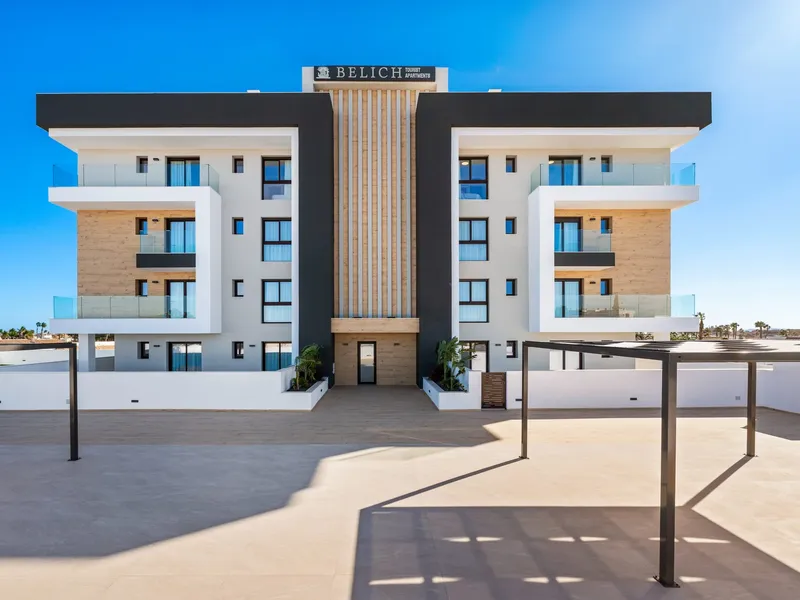
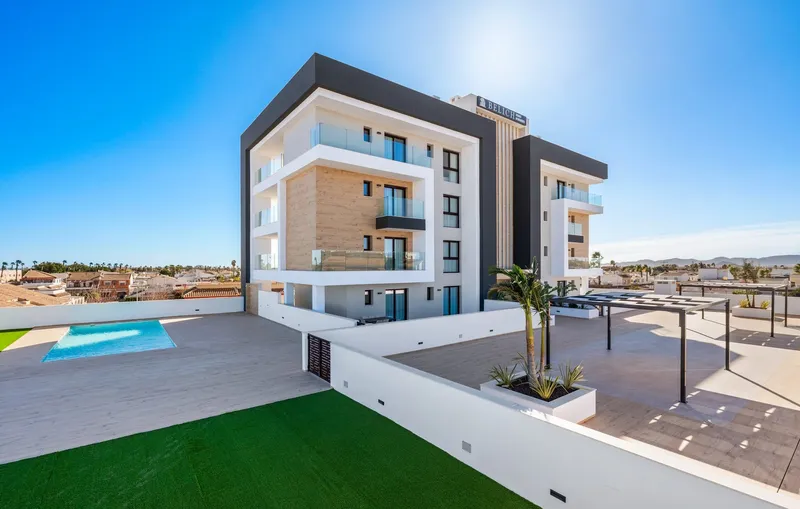
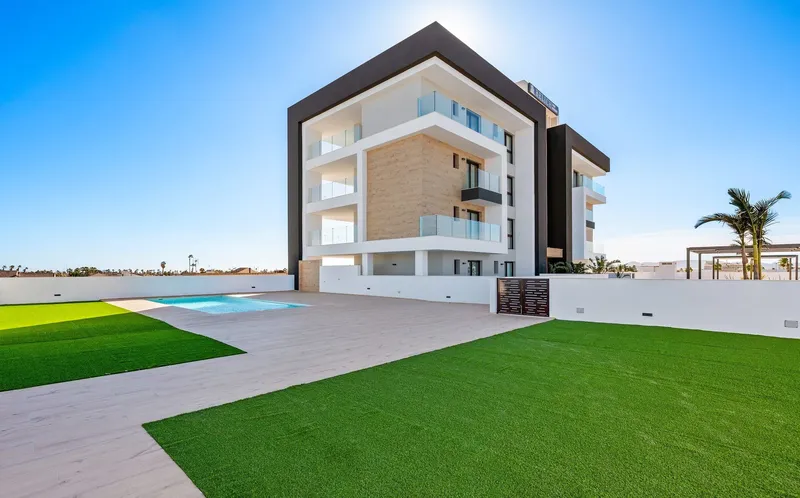
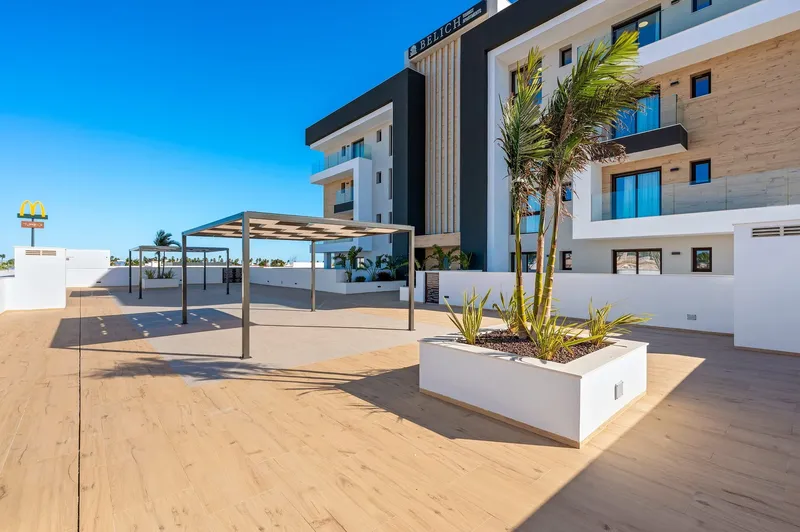
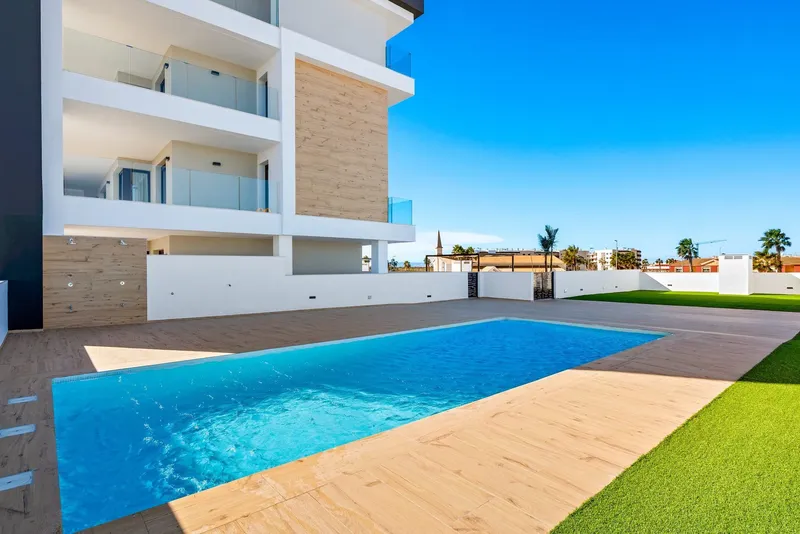
Apartments with Rental Licence in Los Alcázares
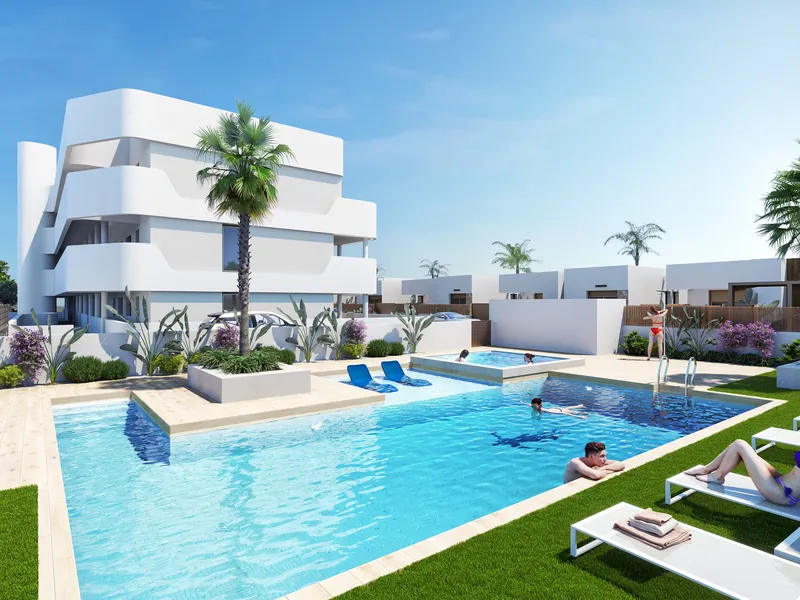
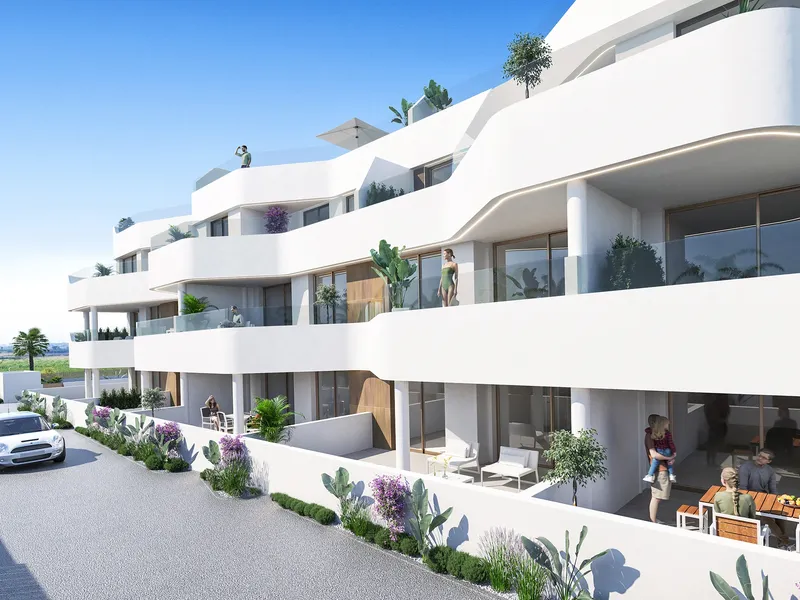
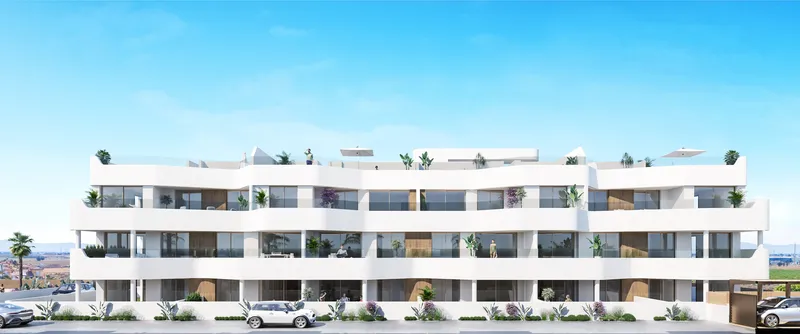
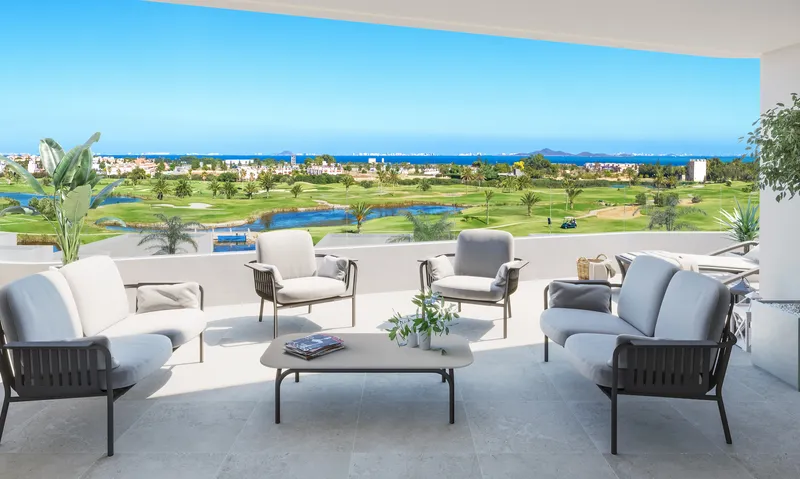
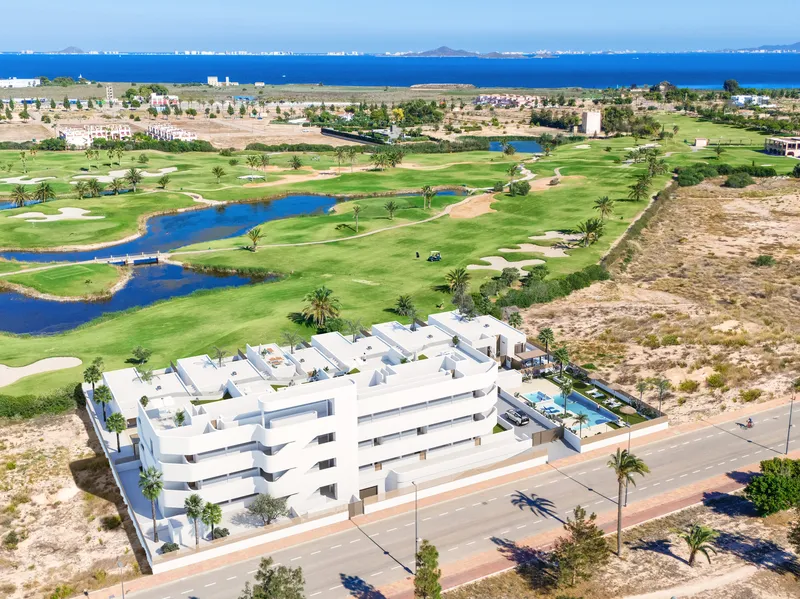
Apartments on La Serena Golf Frontline in Los Alcázares
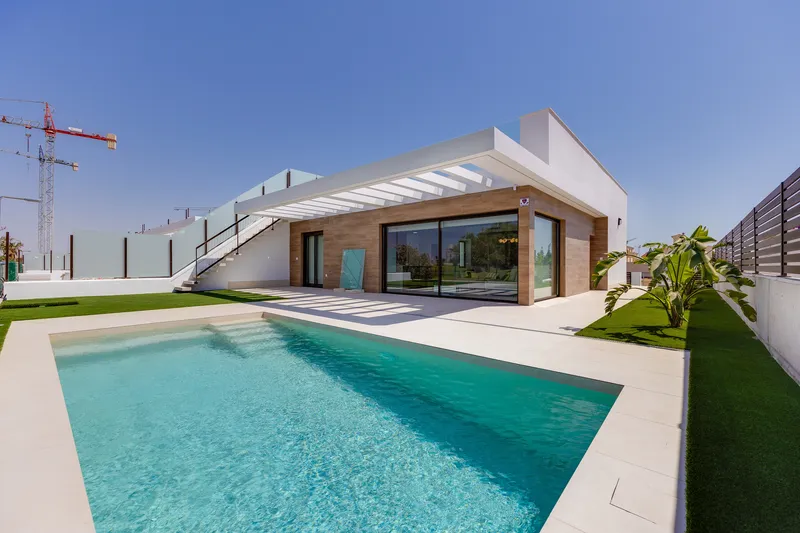
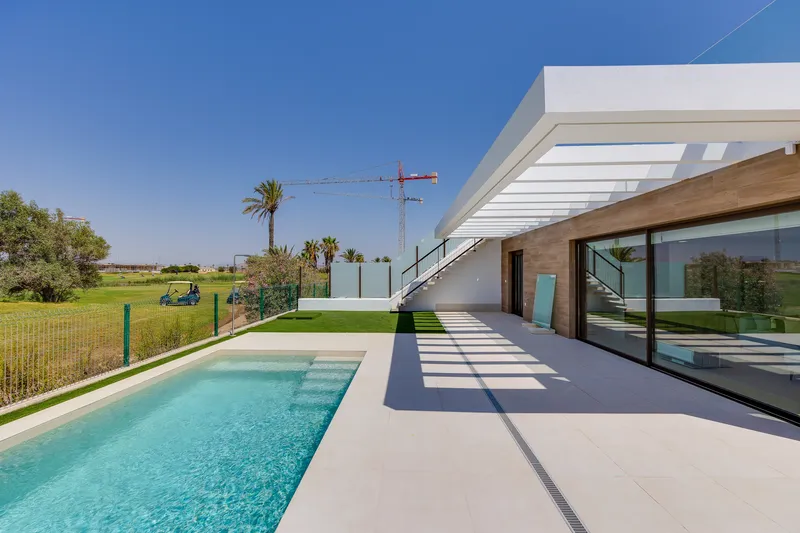
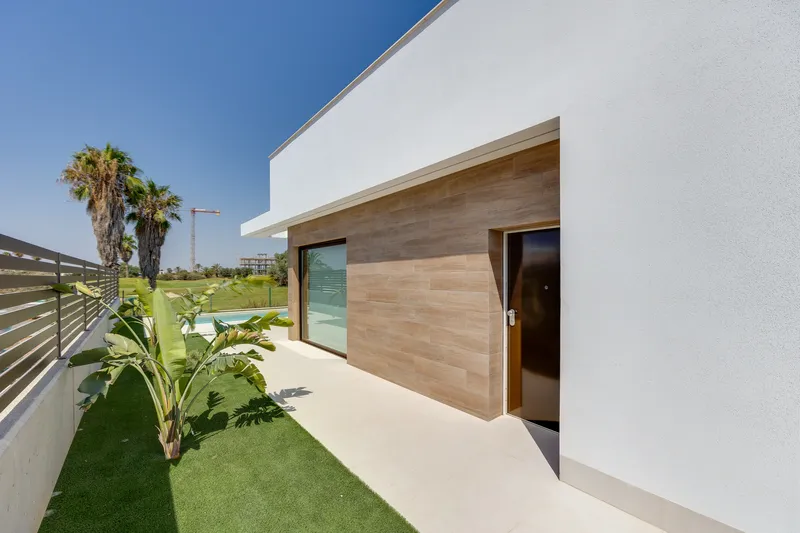
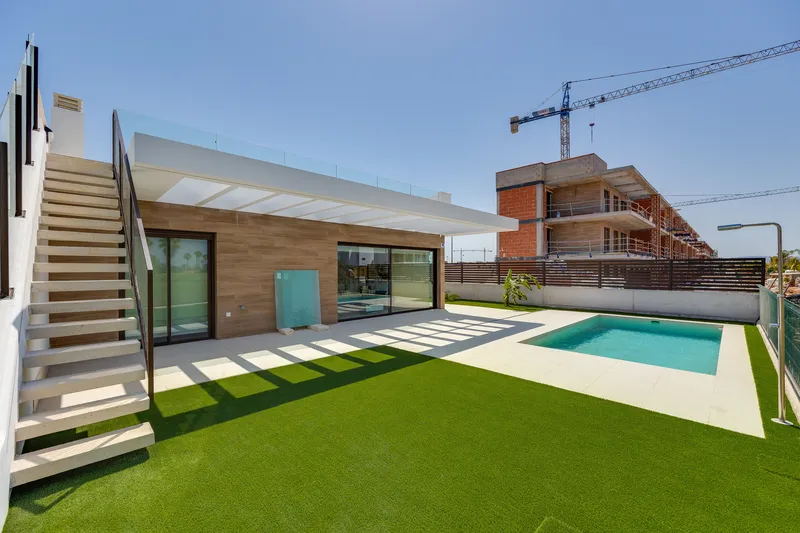
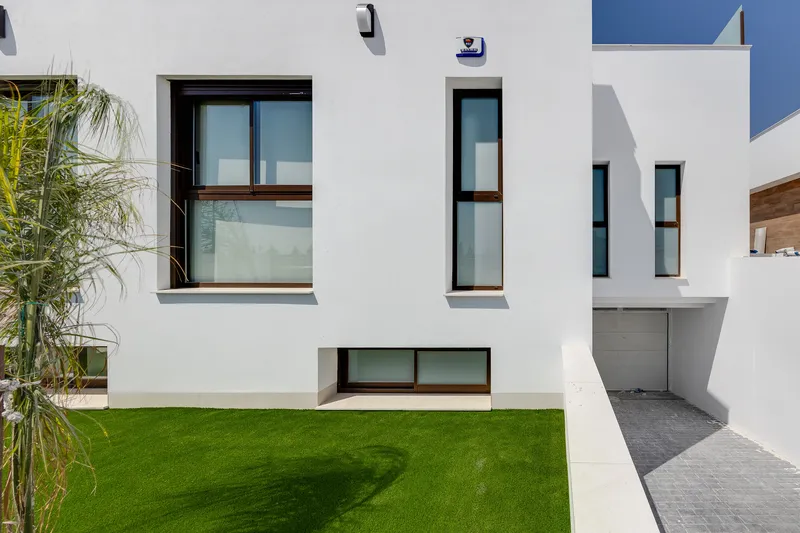
Villas on the First Line of La Serena Golf in Los Alcázares
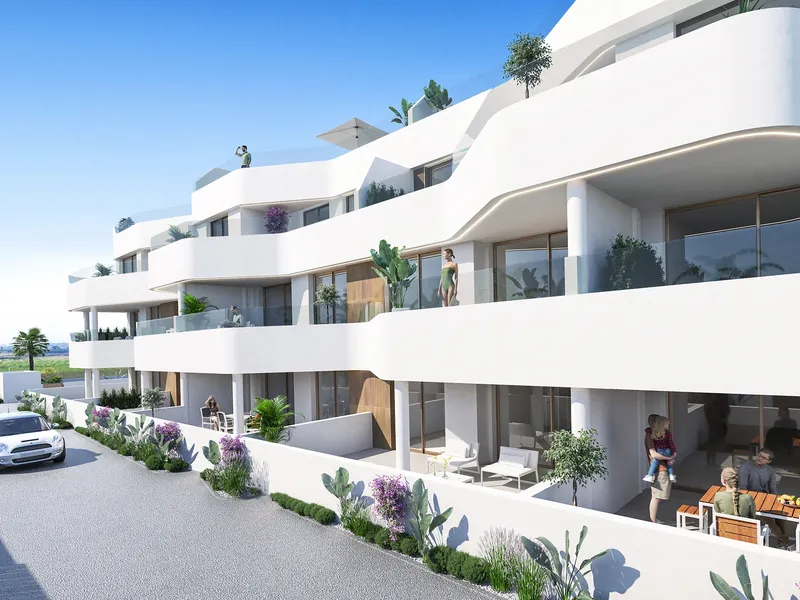
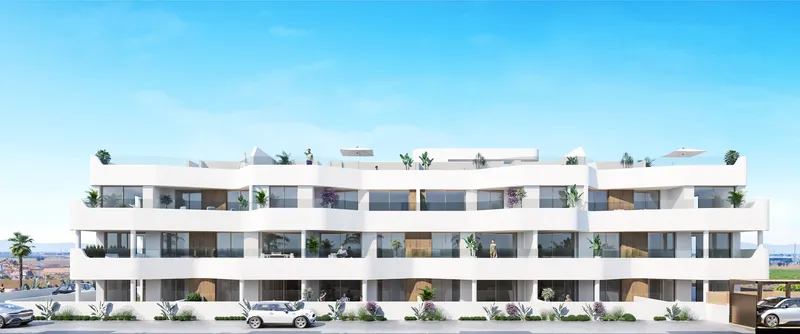
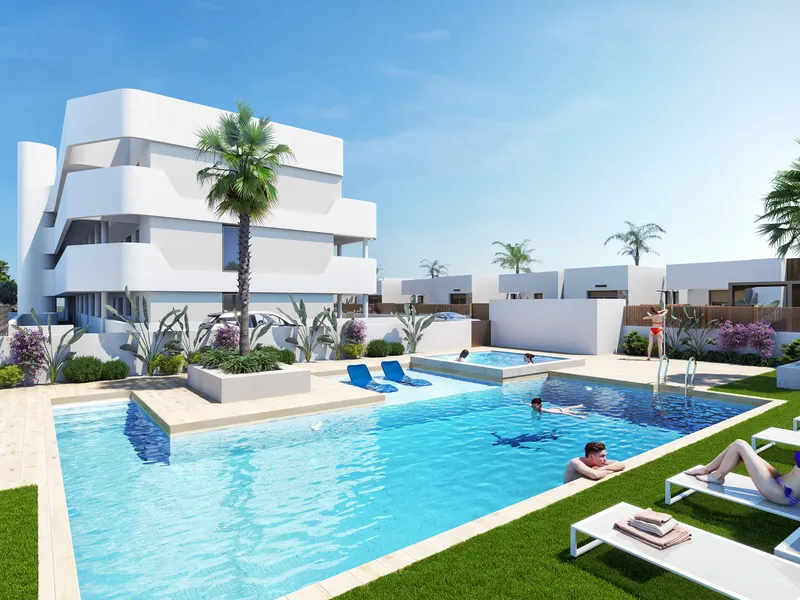
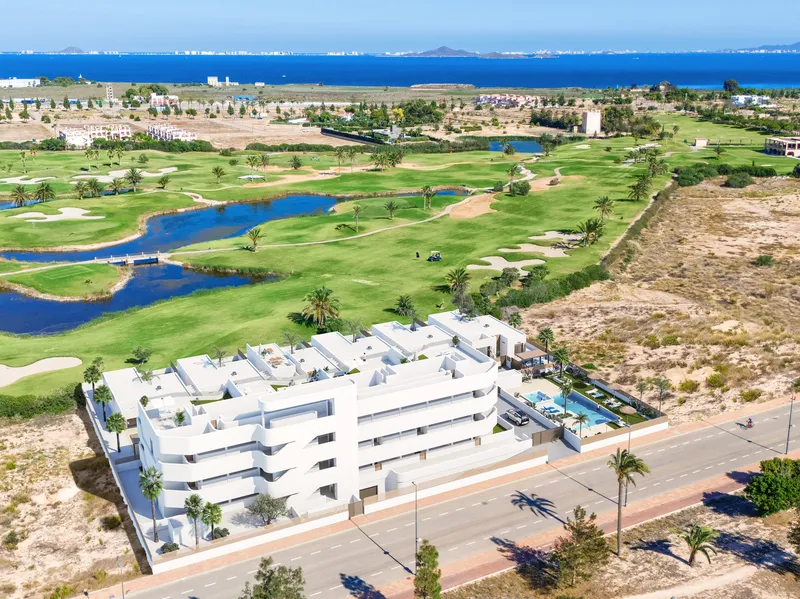
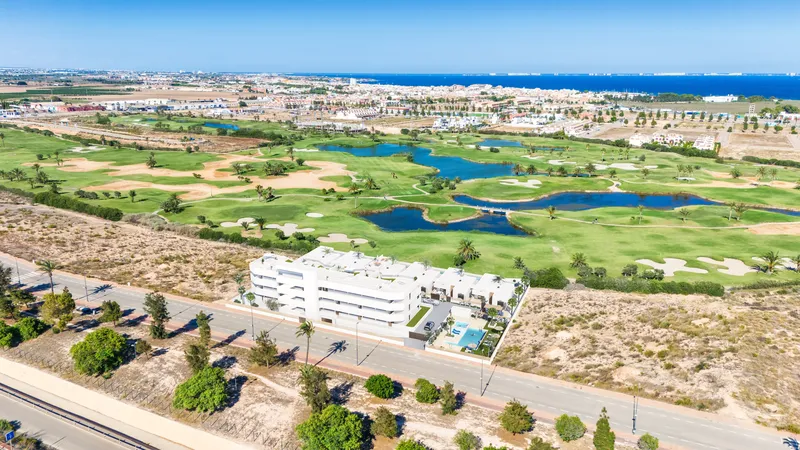
Apartments near La Serena Golf in Los Alcázares
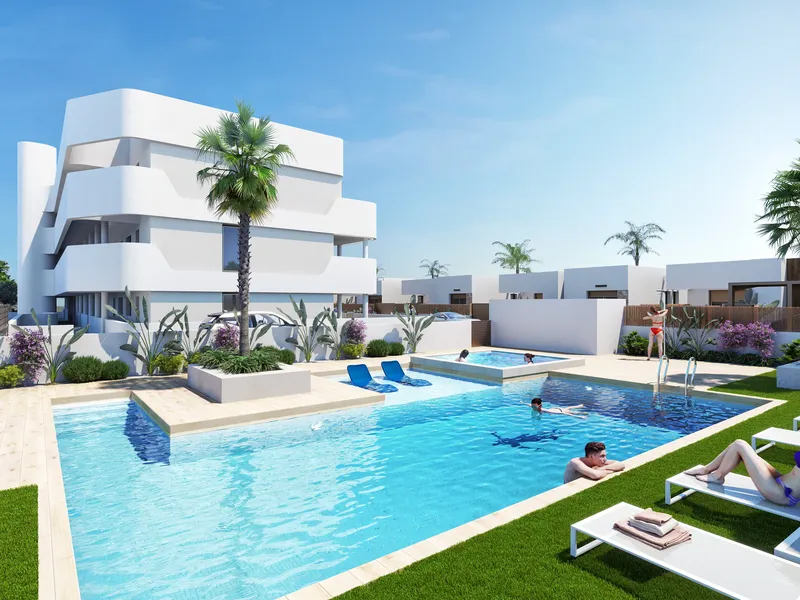
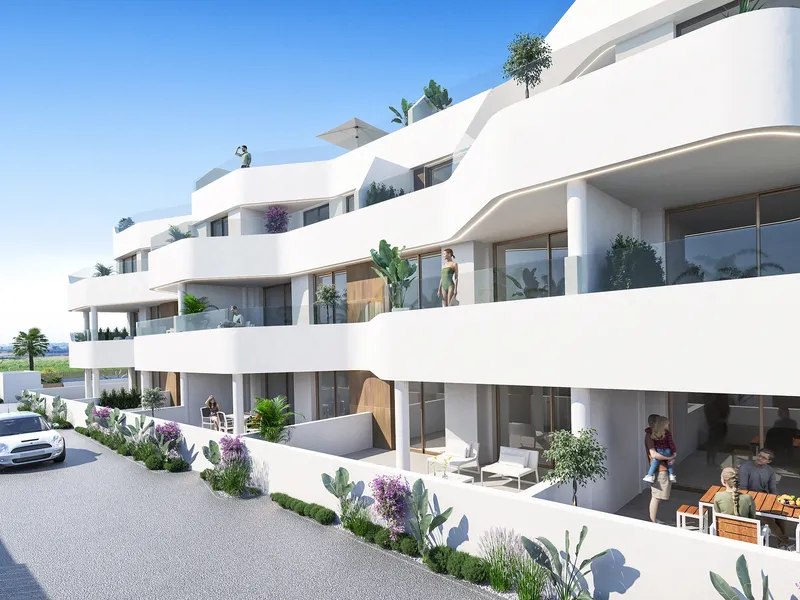
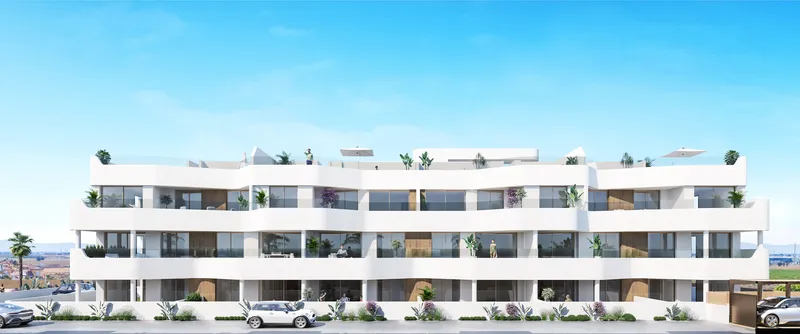
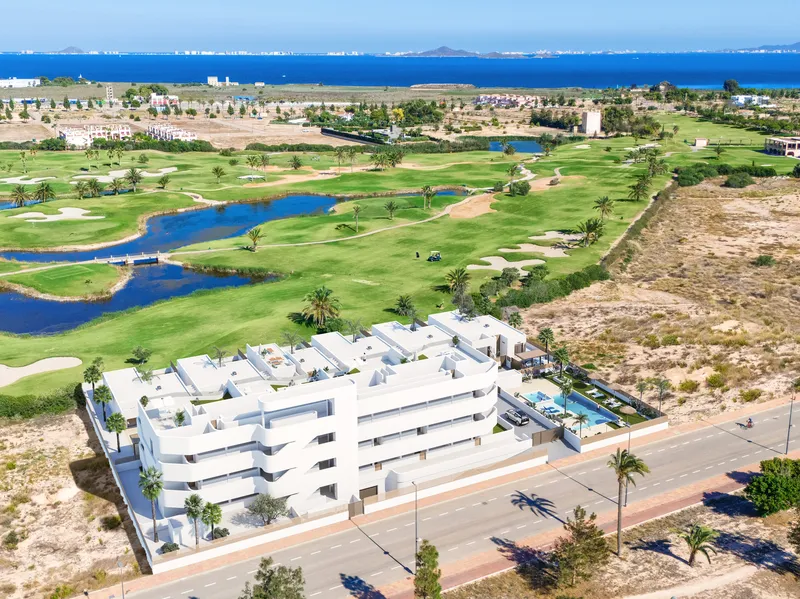
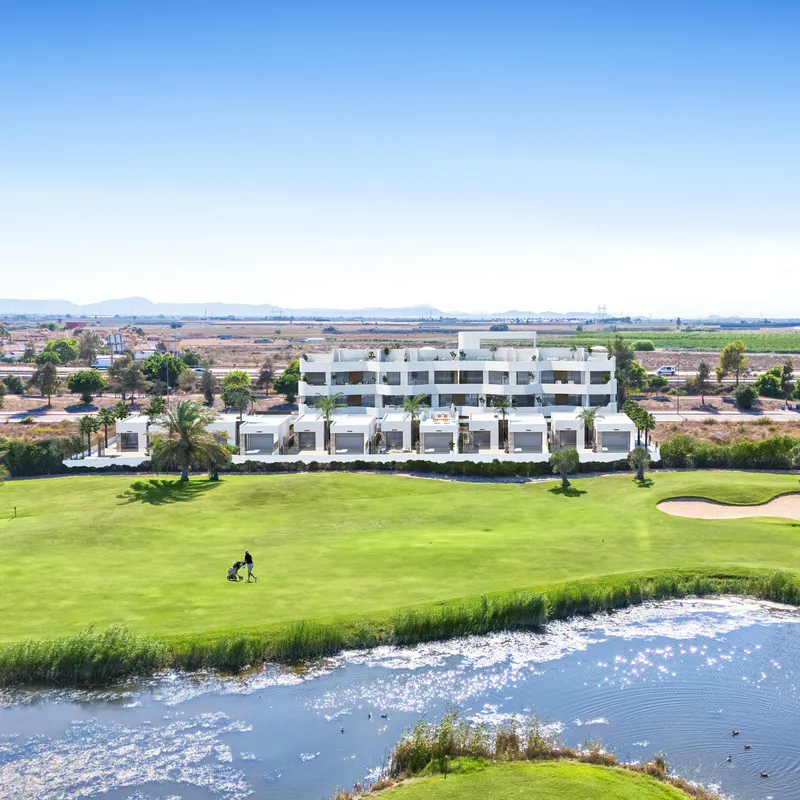
Apartments on the La Serena golf frontline in Los Alcázares
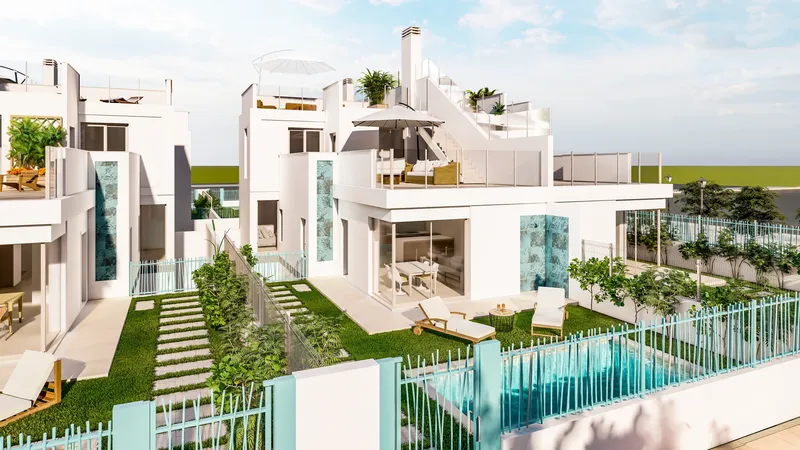
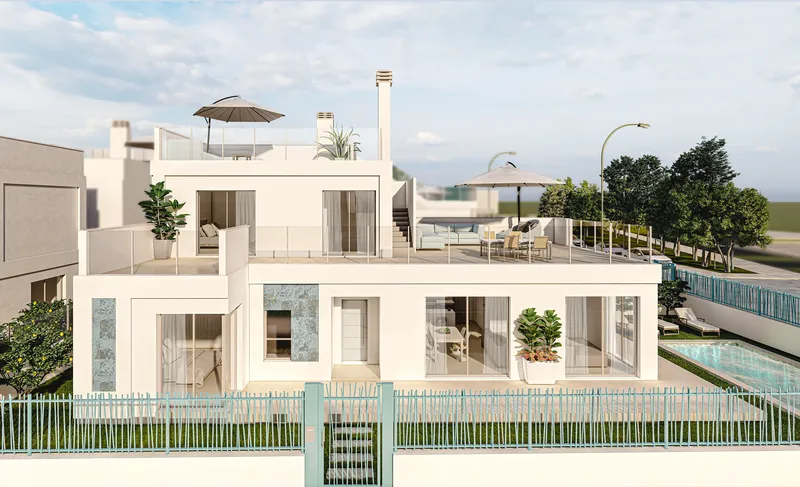
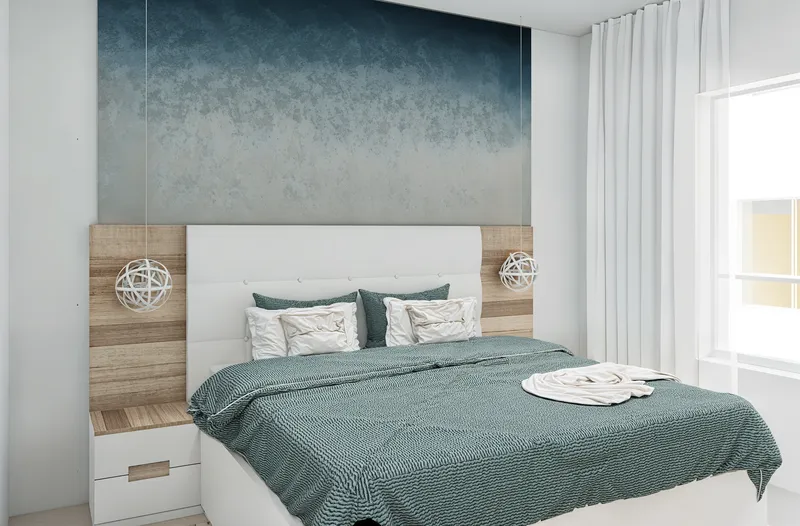
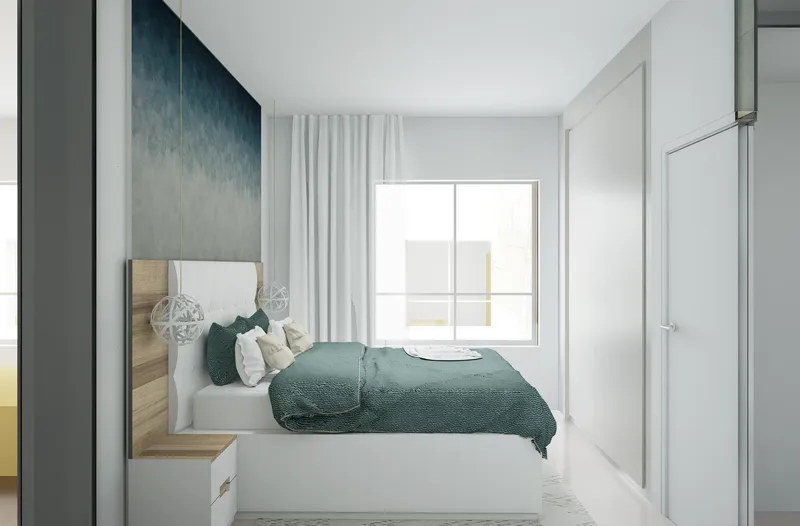
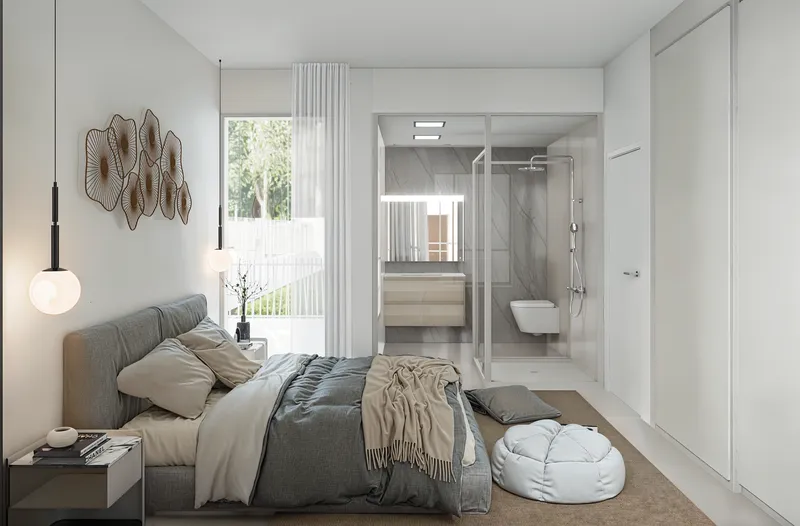
Villas with Private Pool by La Serena Golf in Los Alcázares
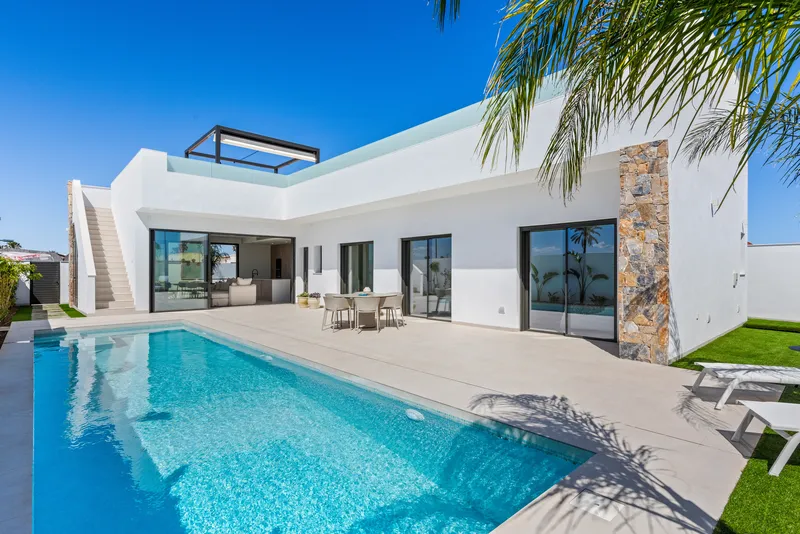
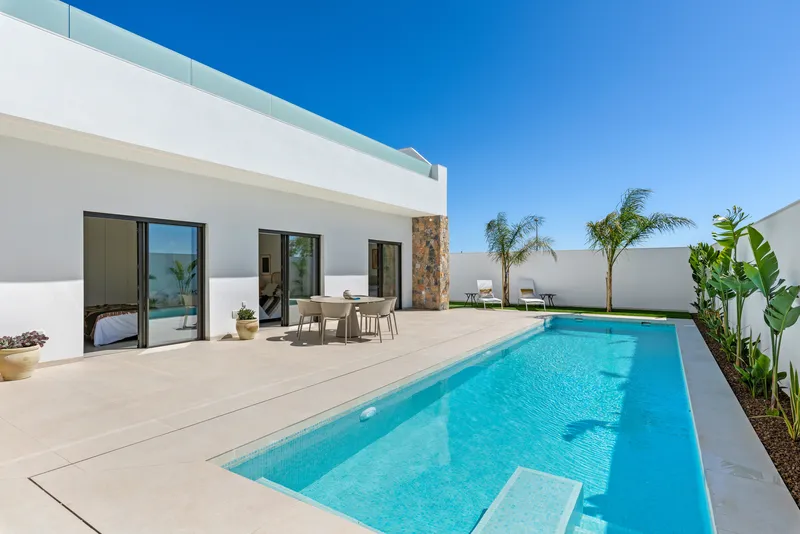
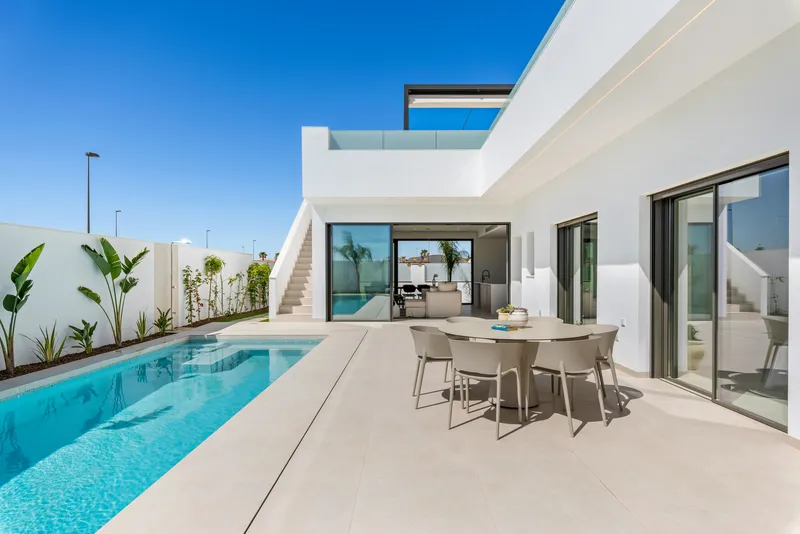
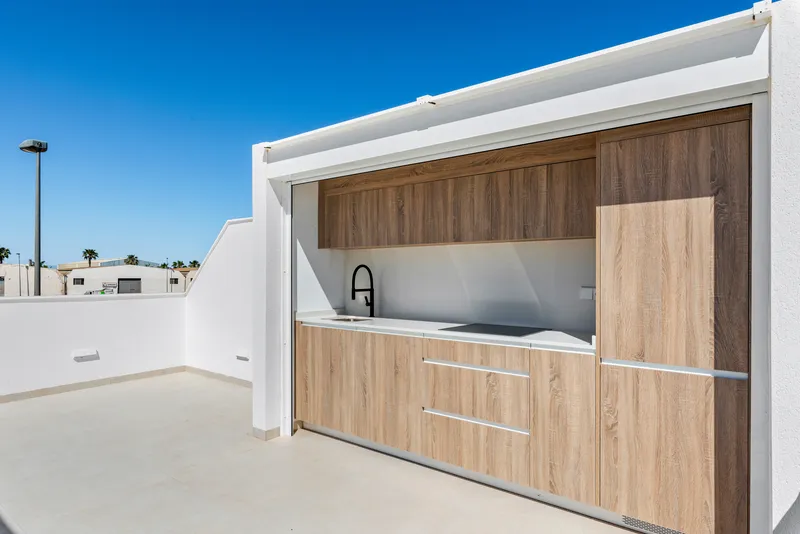
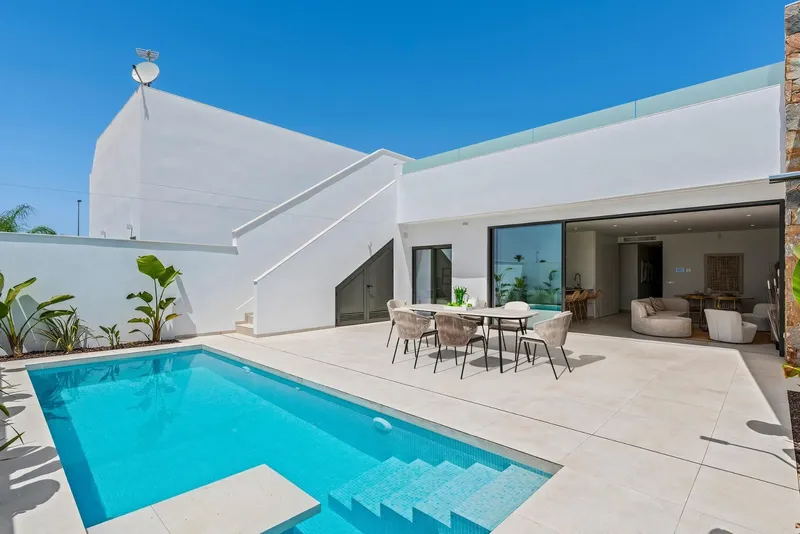
Villas in Los Alcázares 1.2 km from Mar Menor
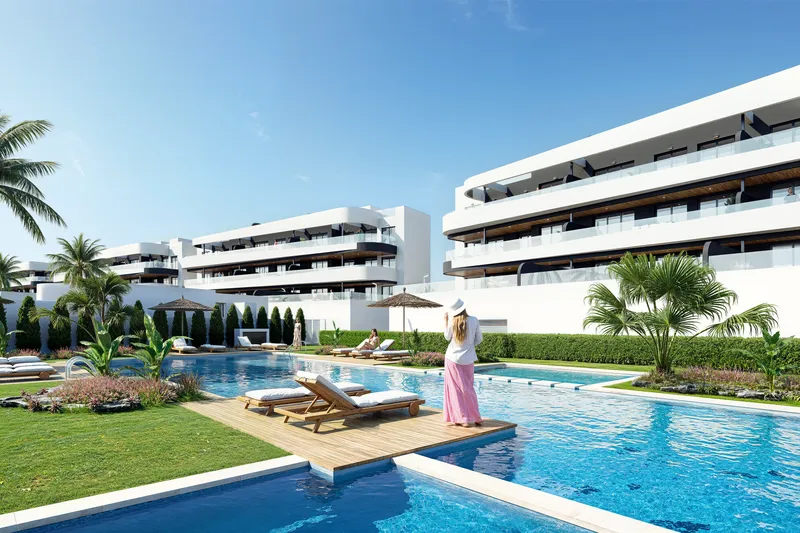
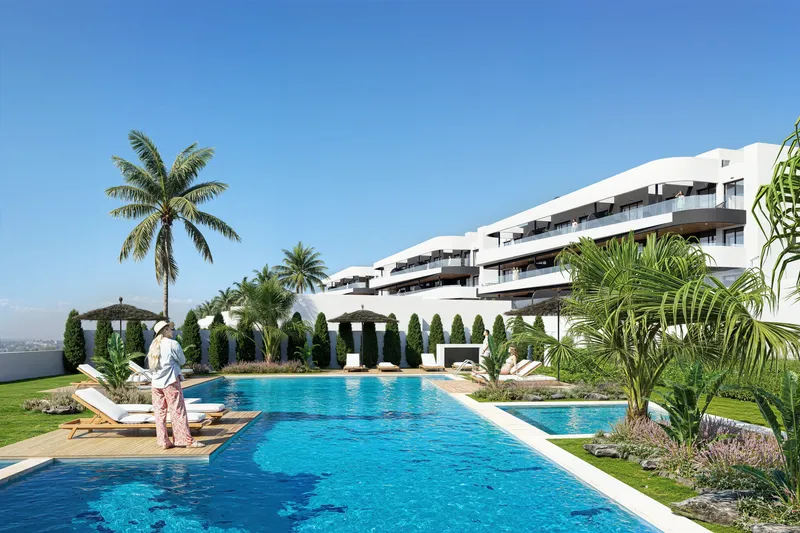
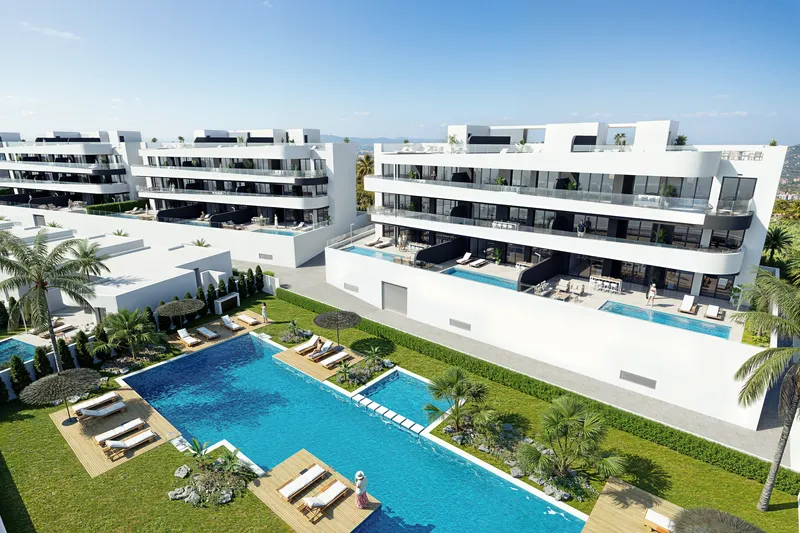
Apartments on La Serena Golf Frontline
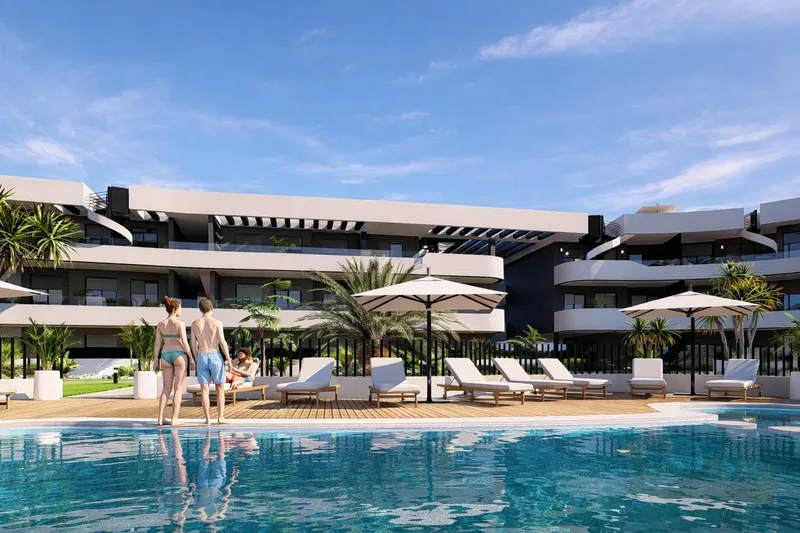

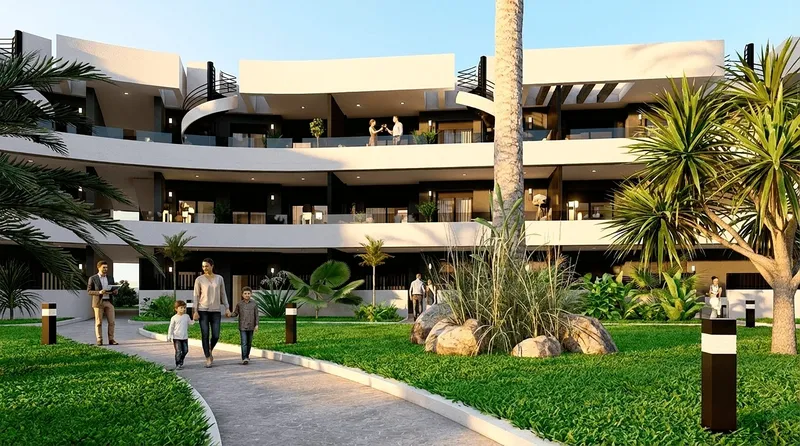
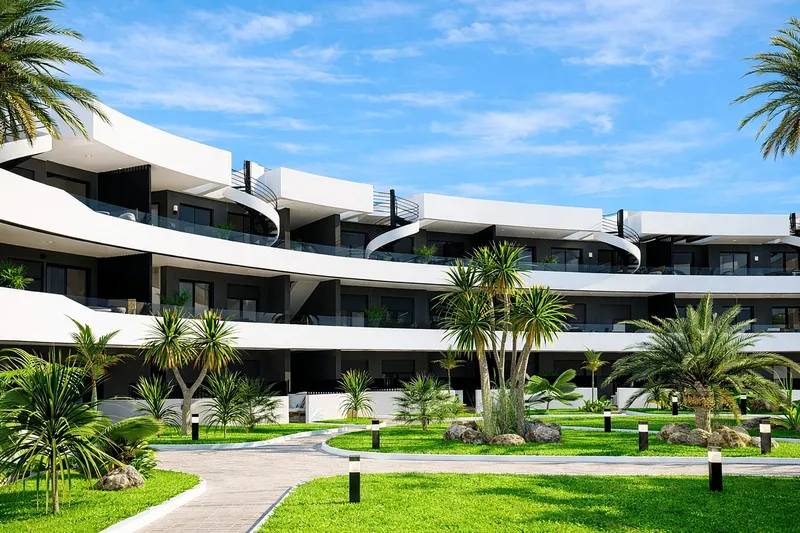
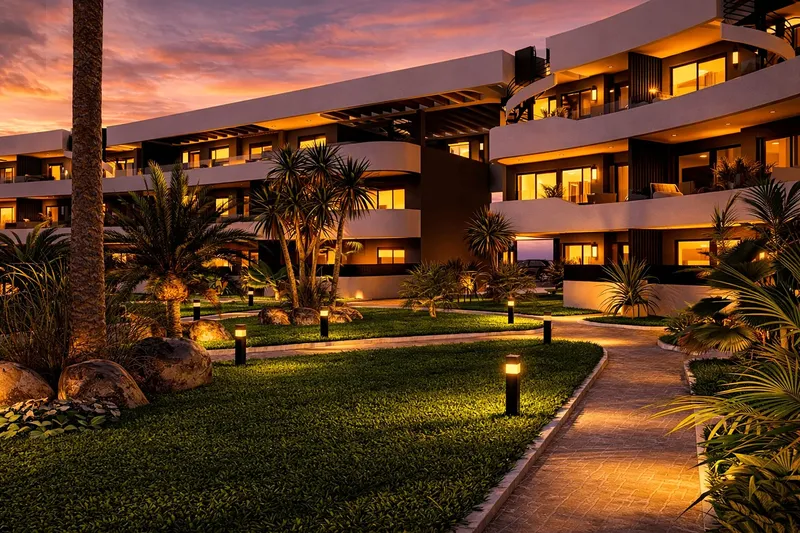
Apartments in a complex near La Serena Golf in Los Alcázares
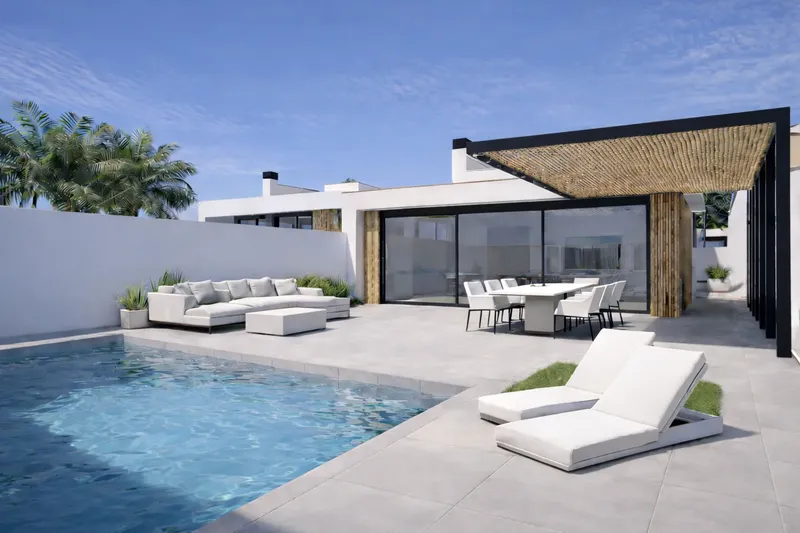
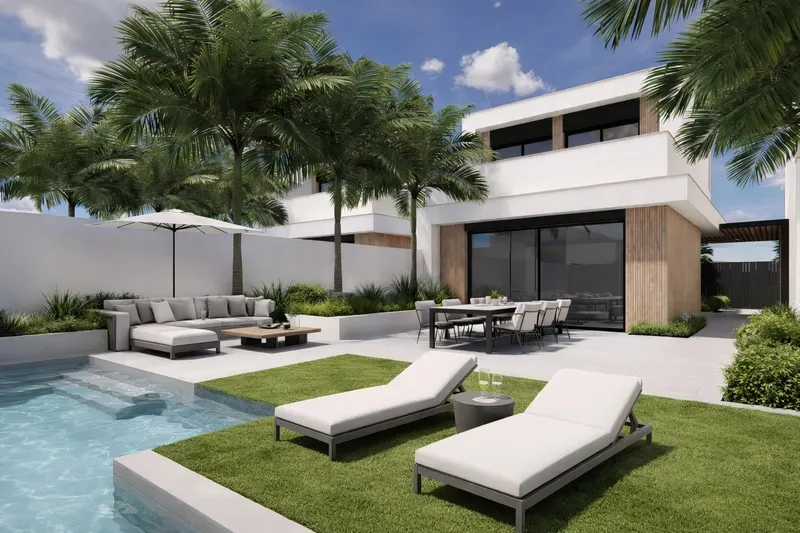
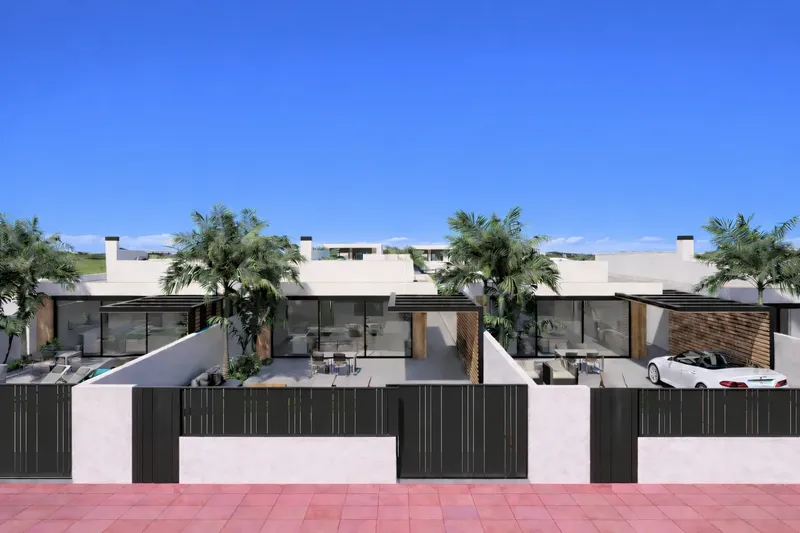
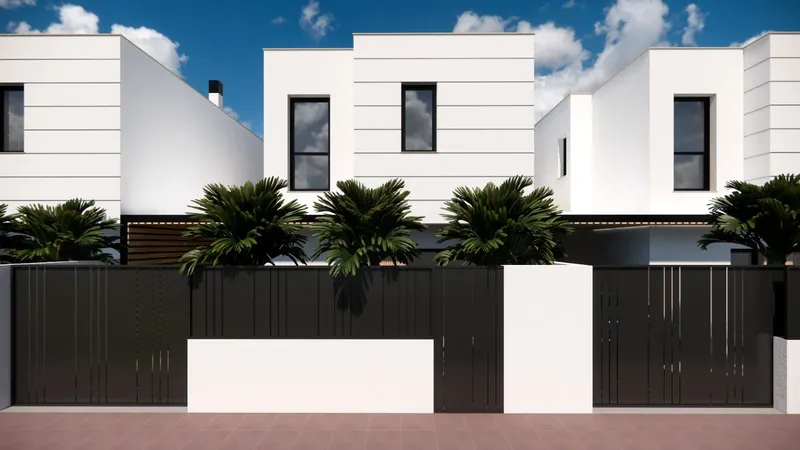
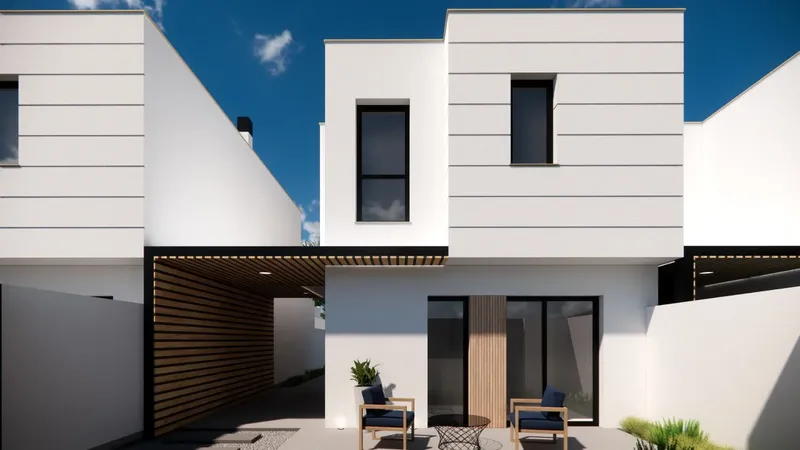
Villas with Pool 1500 m from Mar Menor
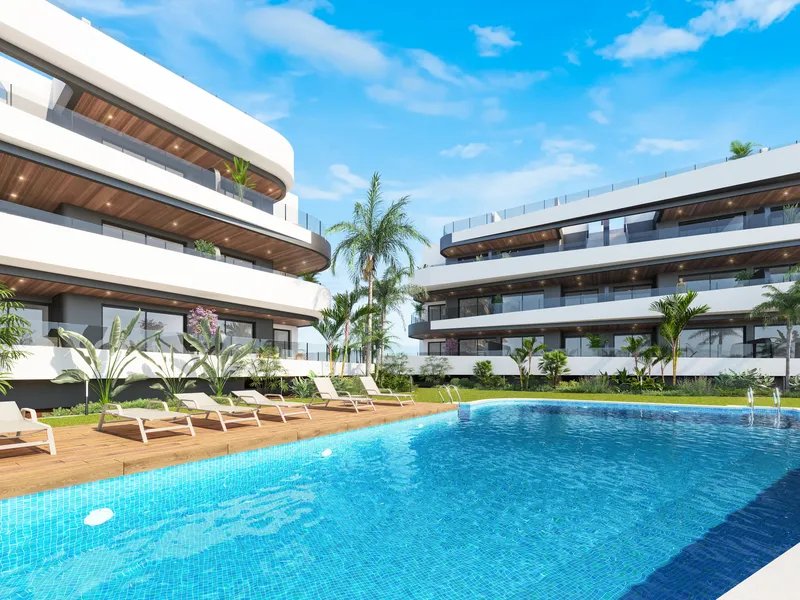
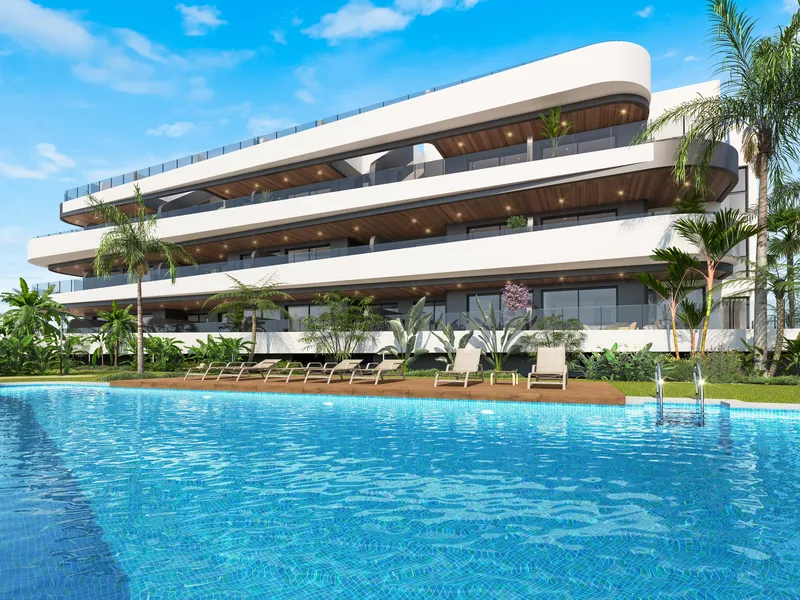
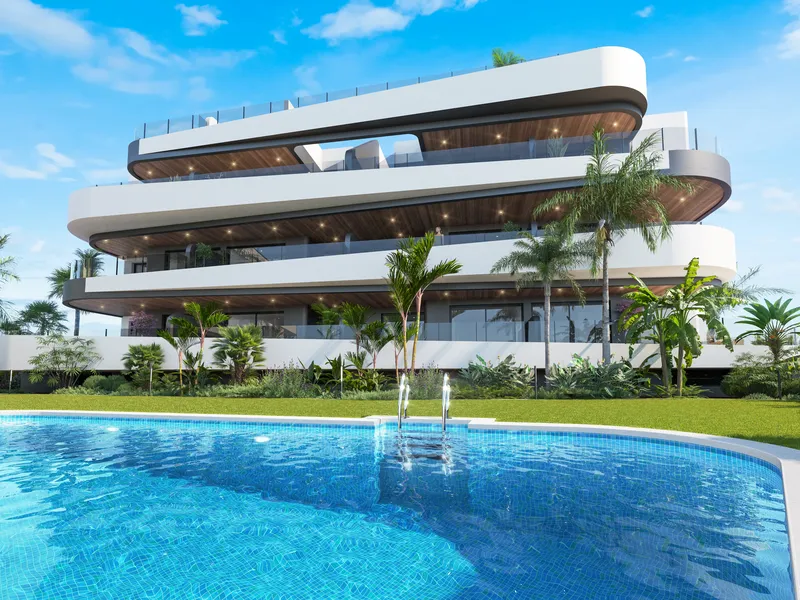
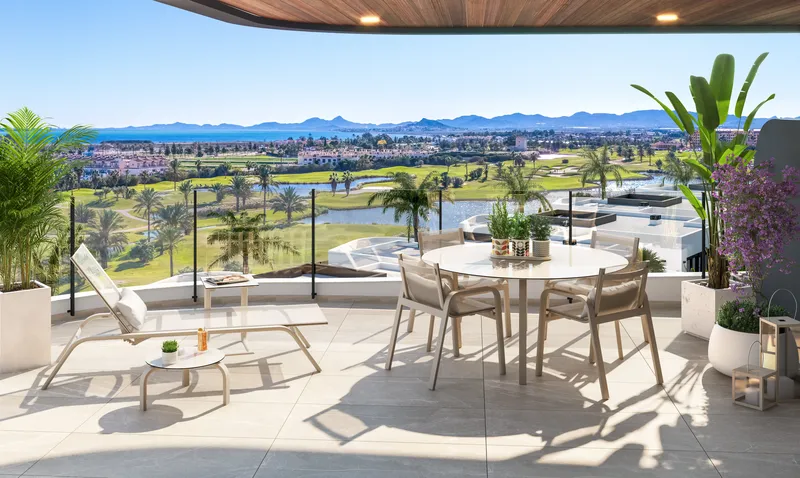
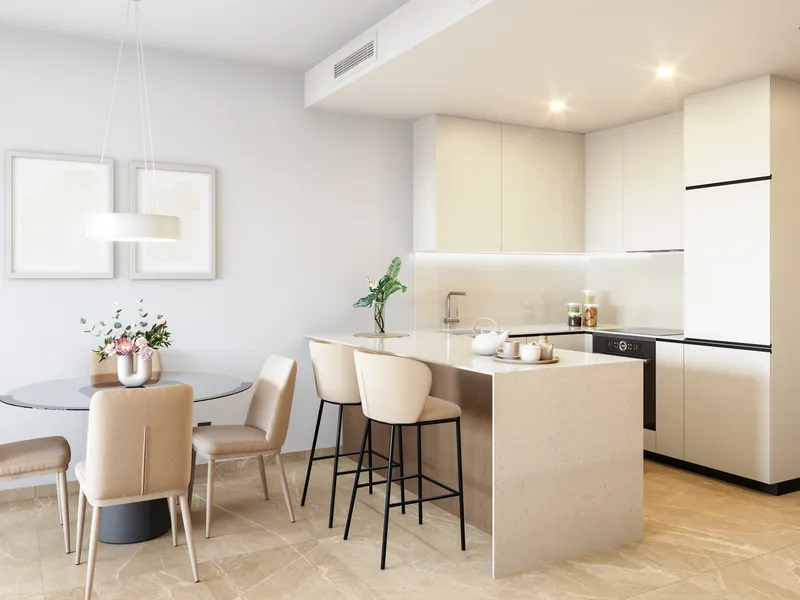
Apartments on the First Line of La Serena Golf
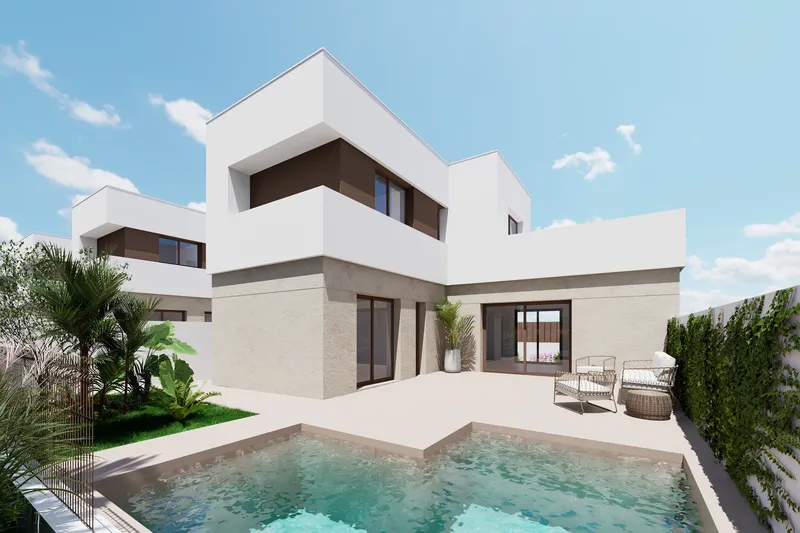
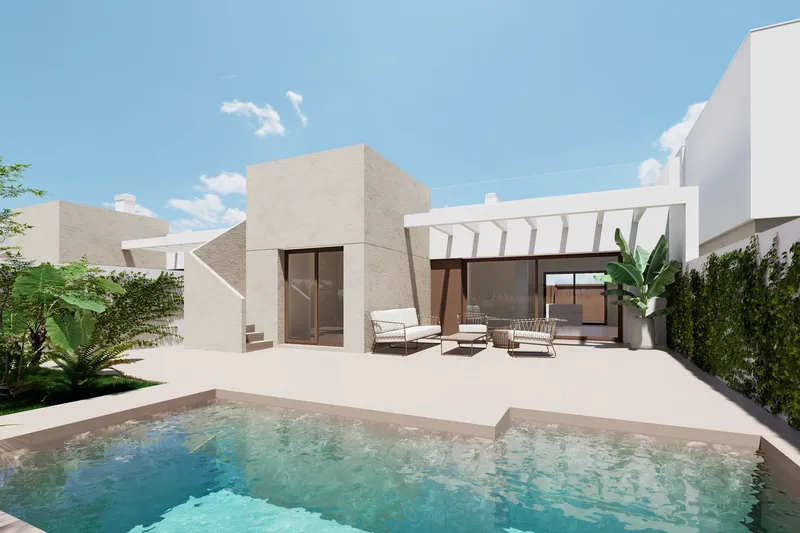
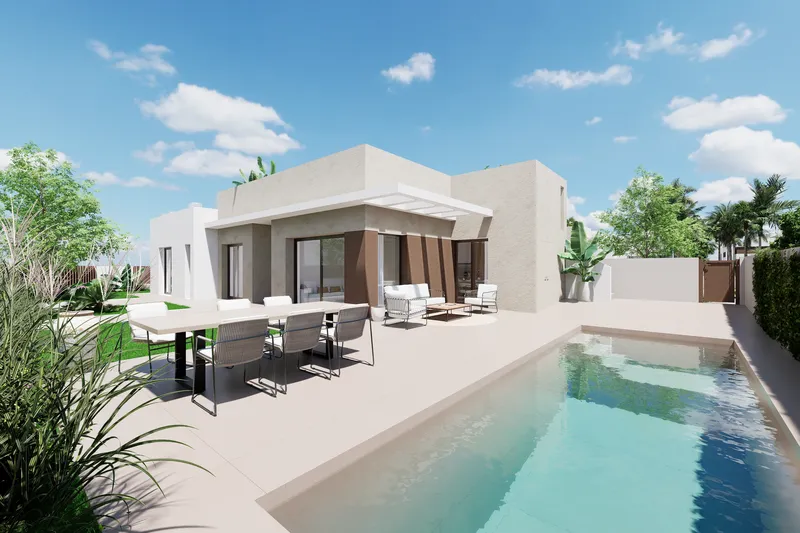
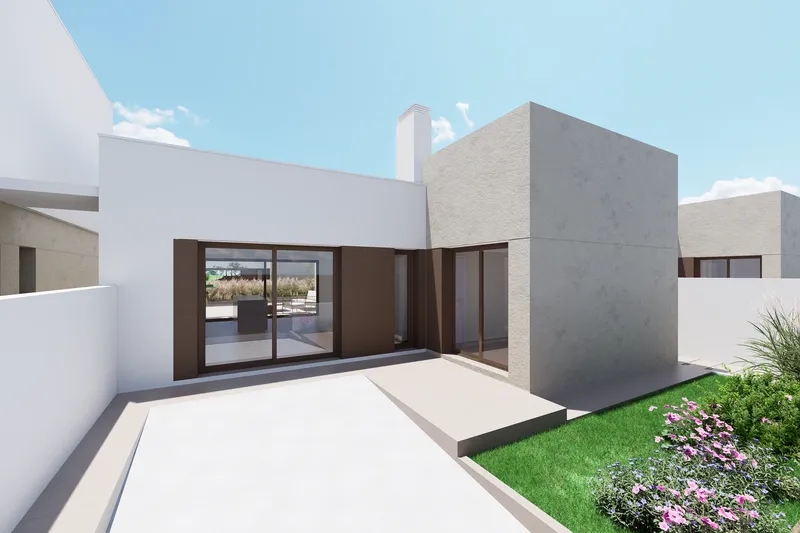
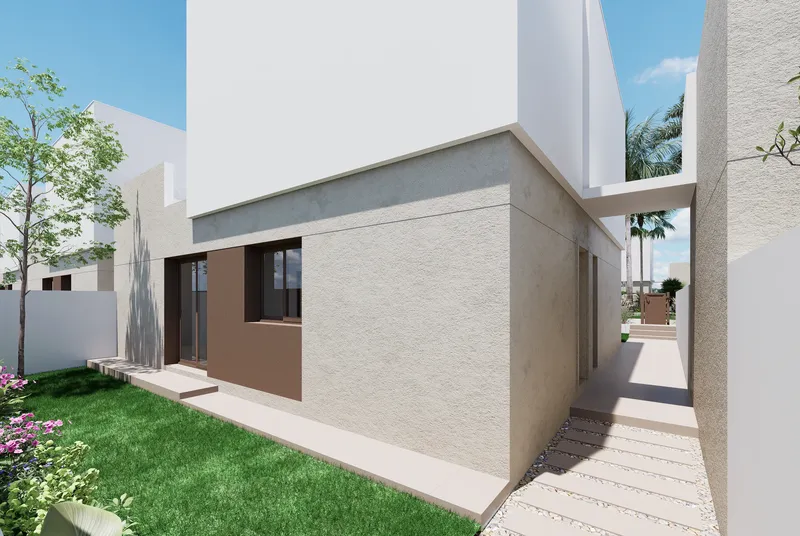
Villas in Los Alcázares near La Serena Golf
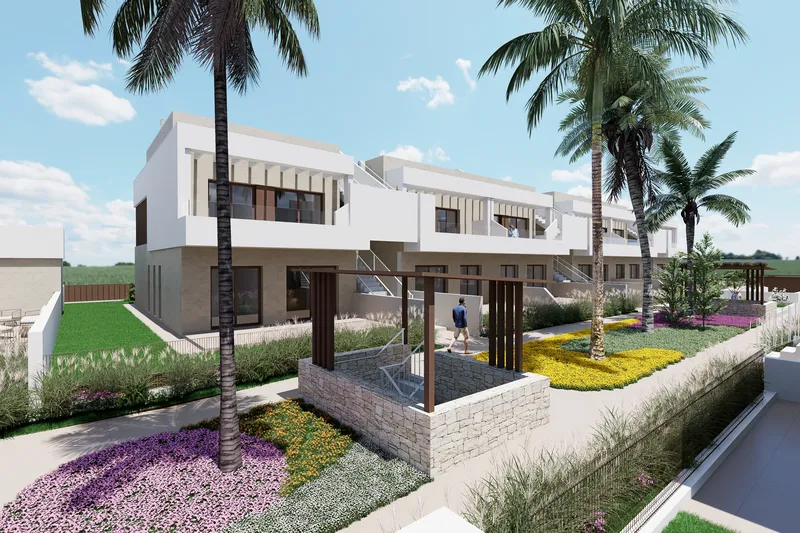
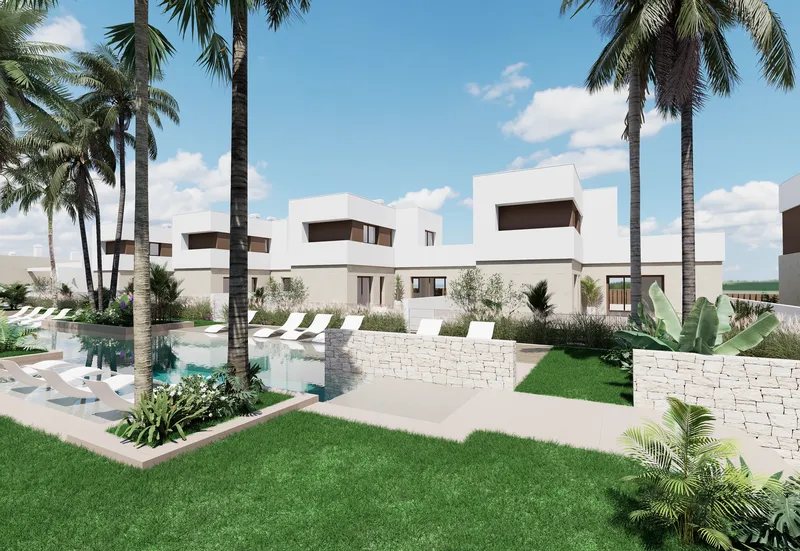
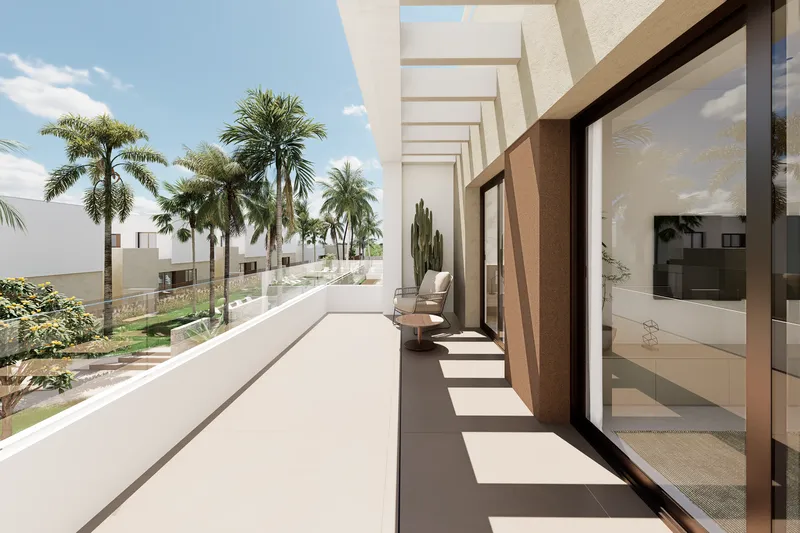
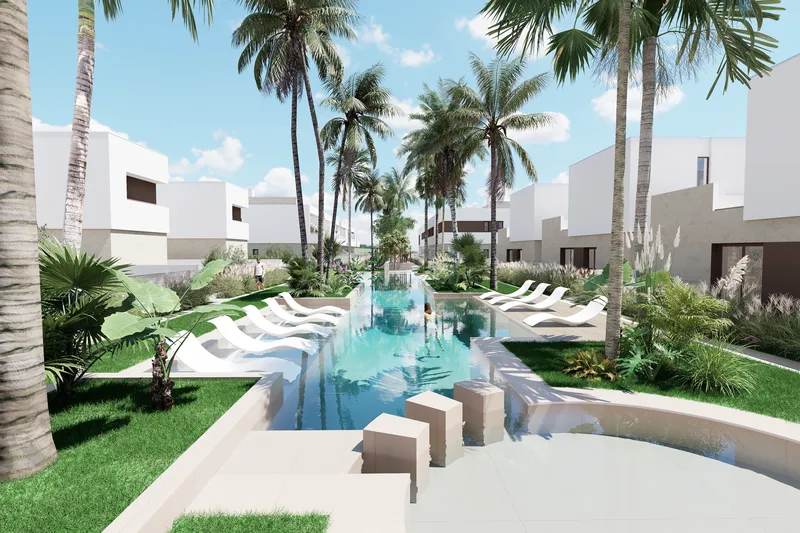
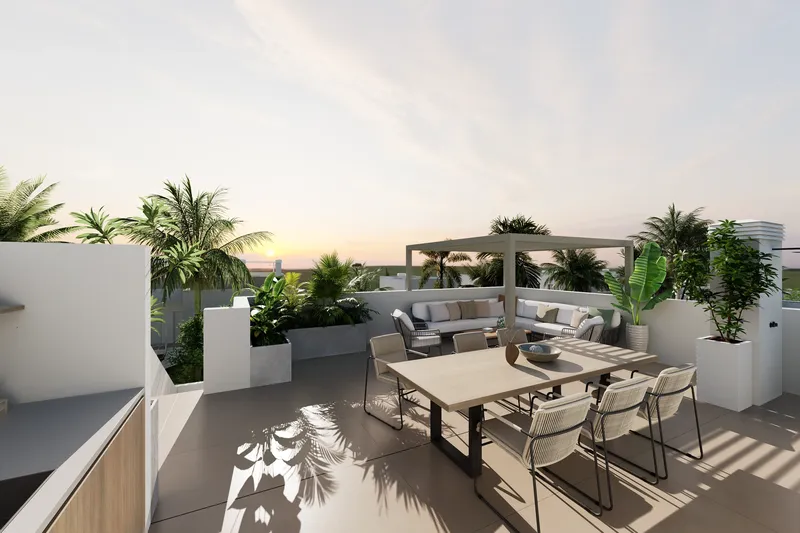
Bungalow in Los Alcázares near La Serena Golf
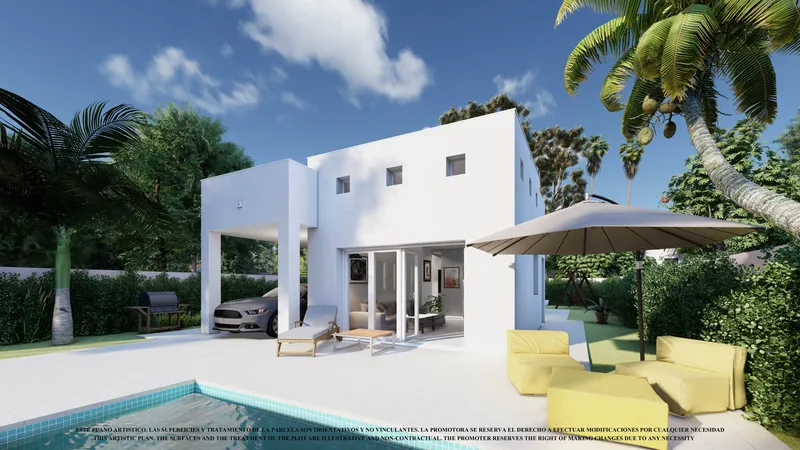
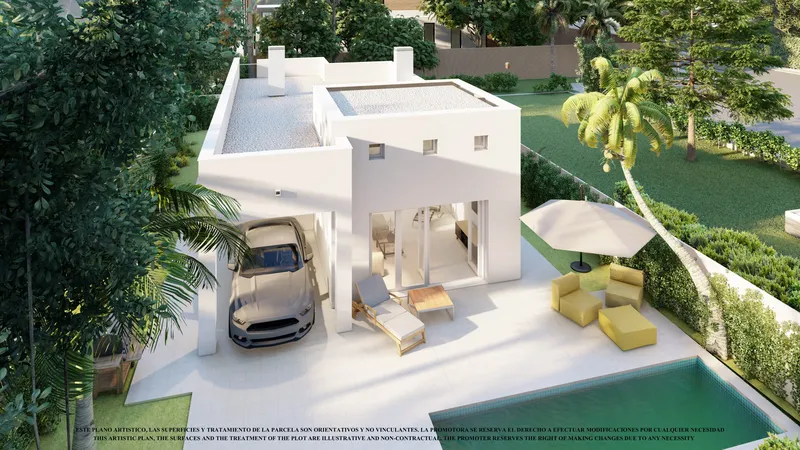
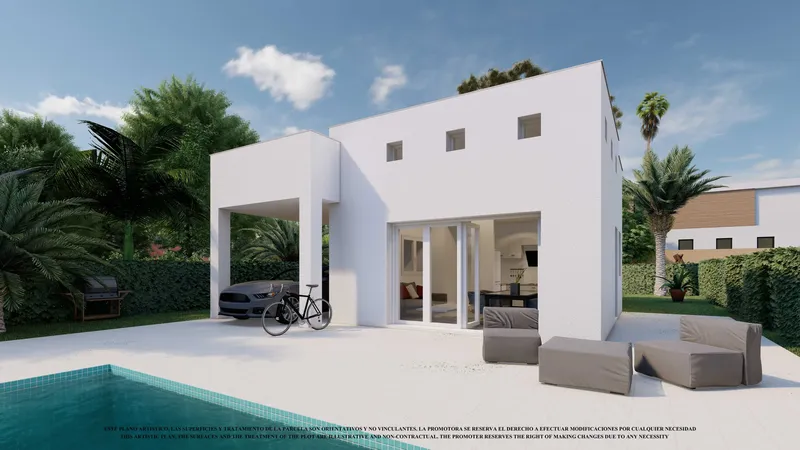
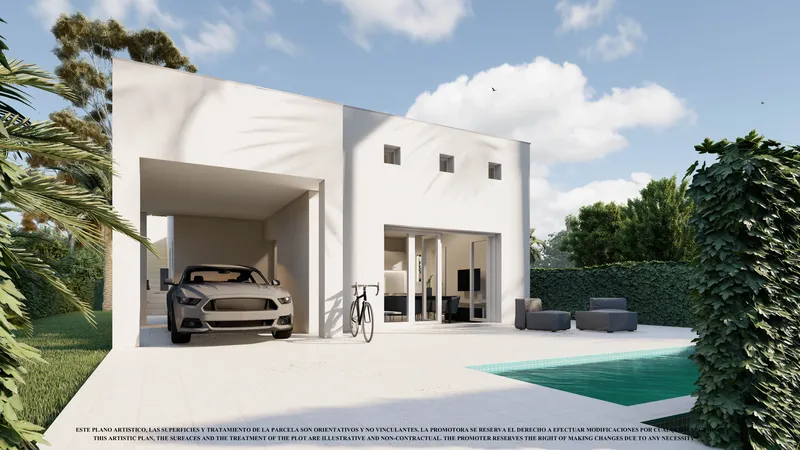
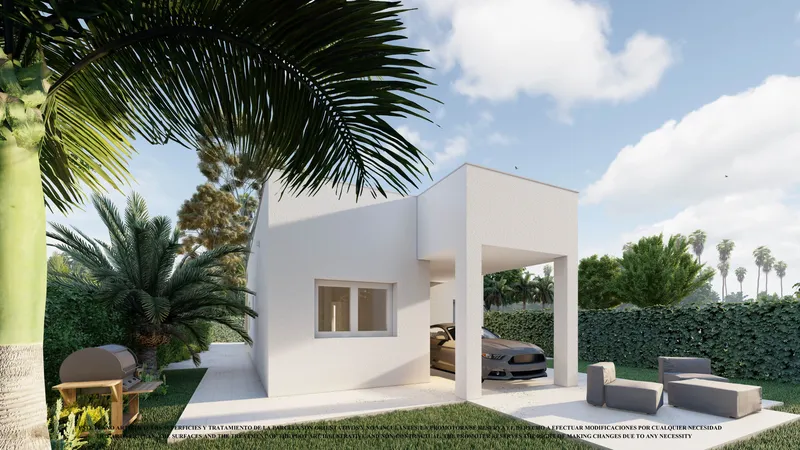
Villas with solarium in Los Alcázares
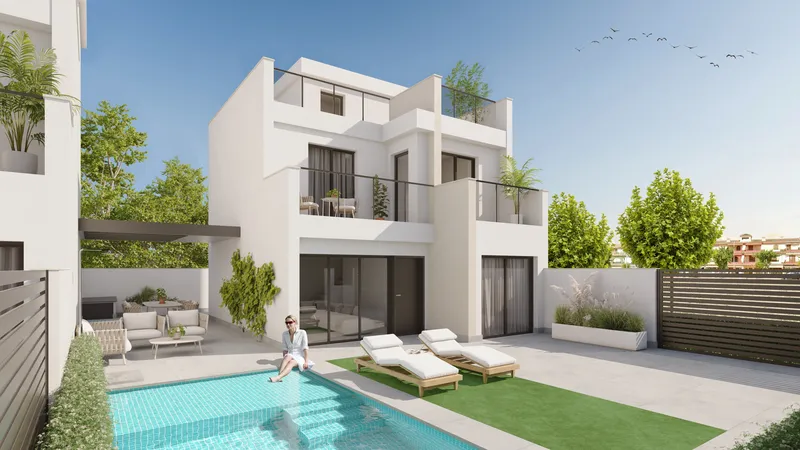
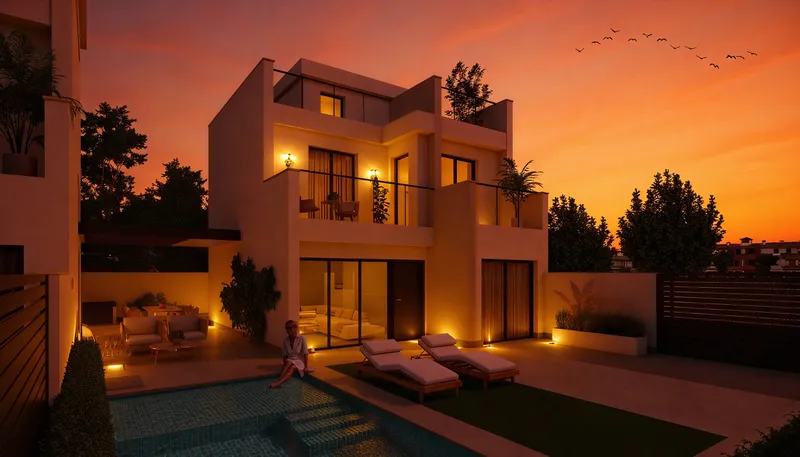
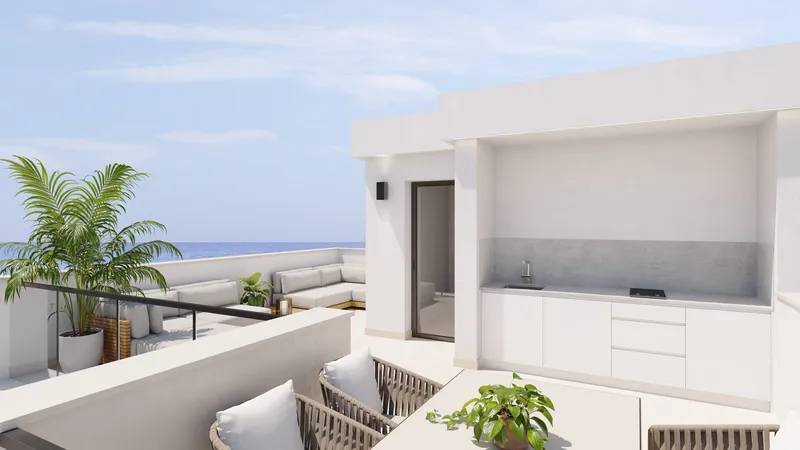
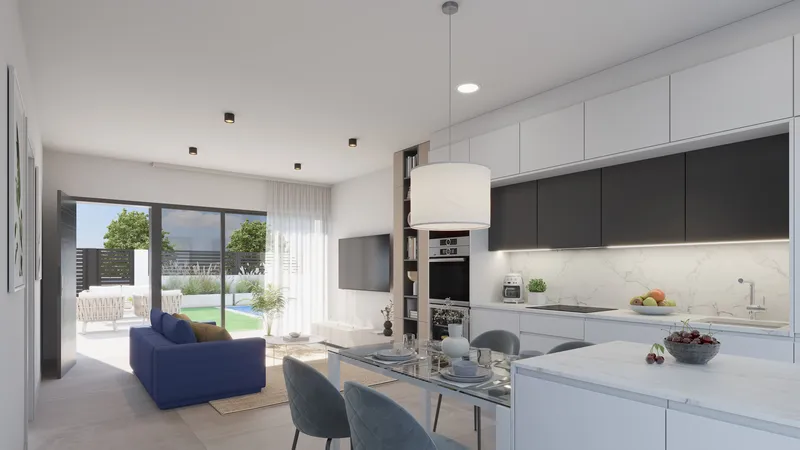
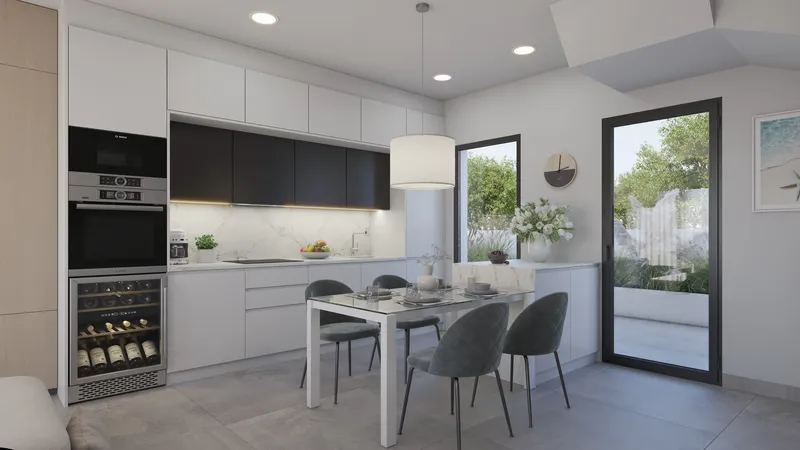
Villas by Los Narejos beach on the Mar Menor
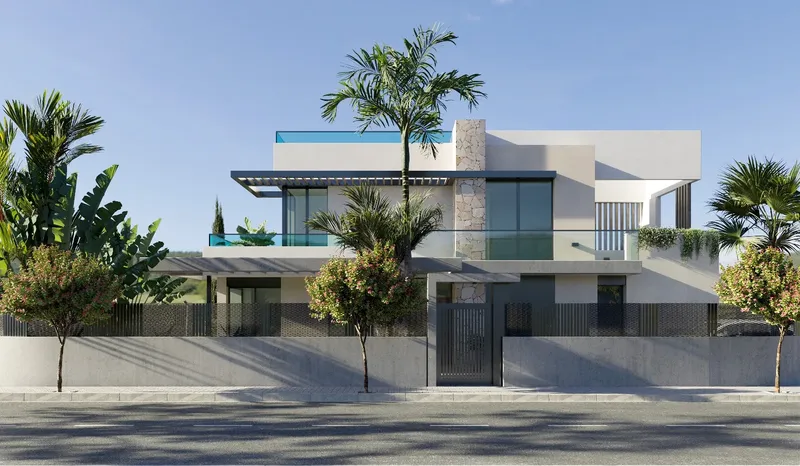
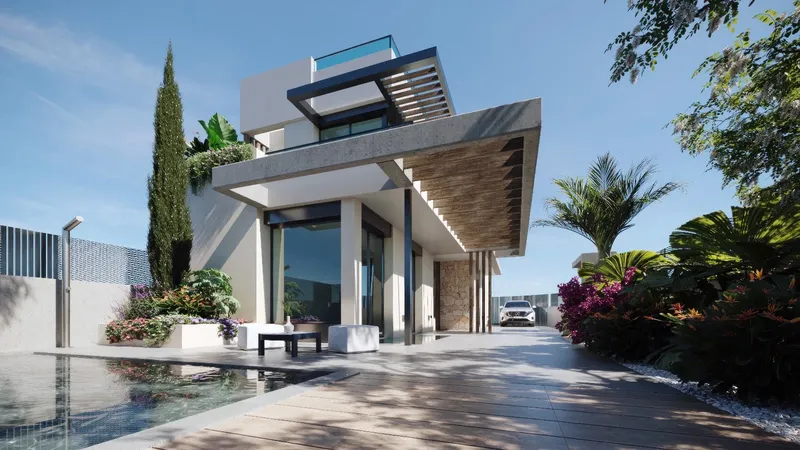
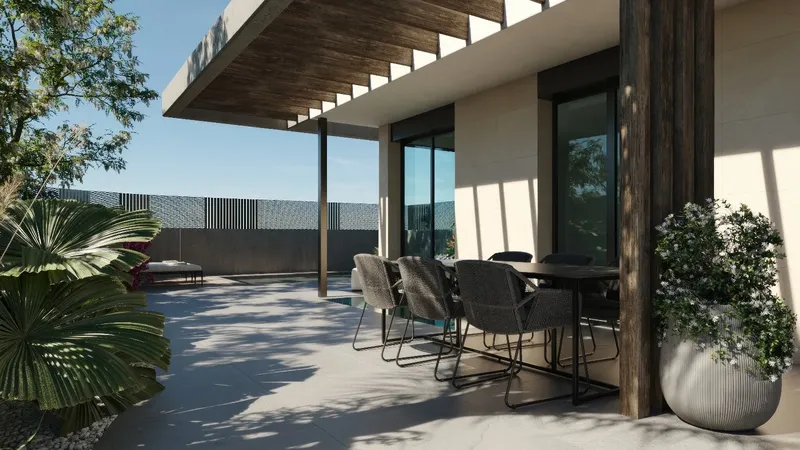
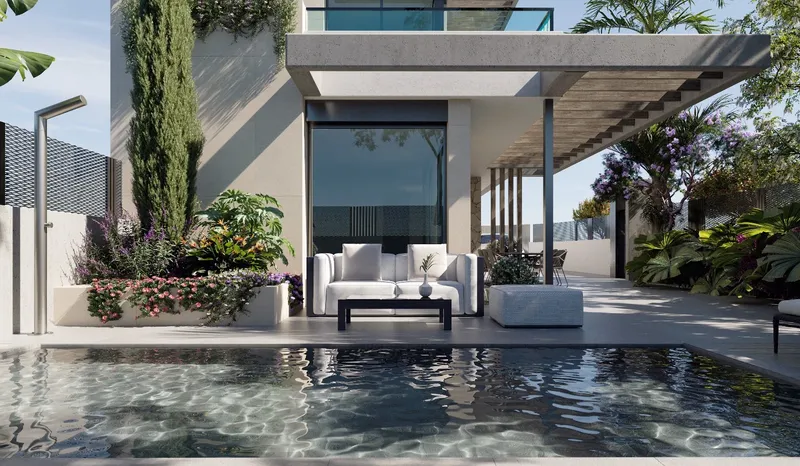
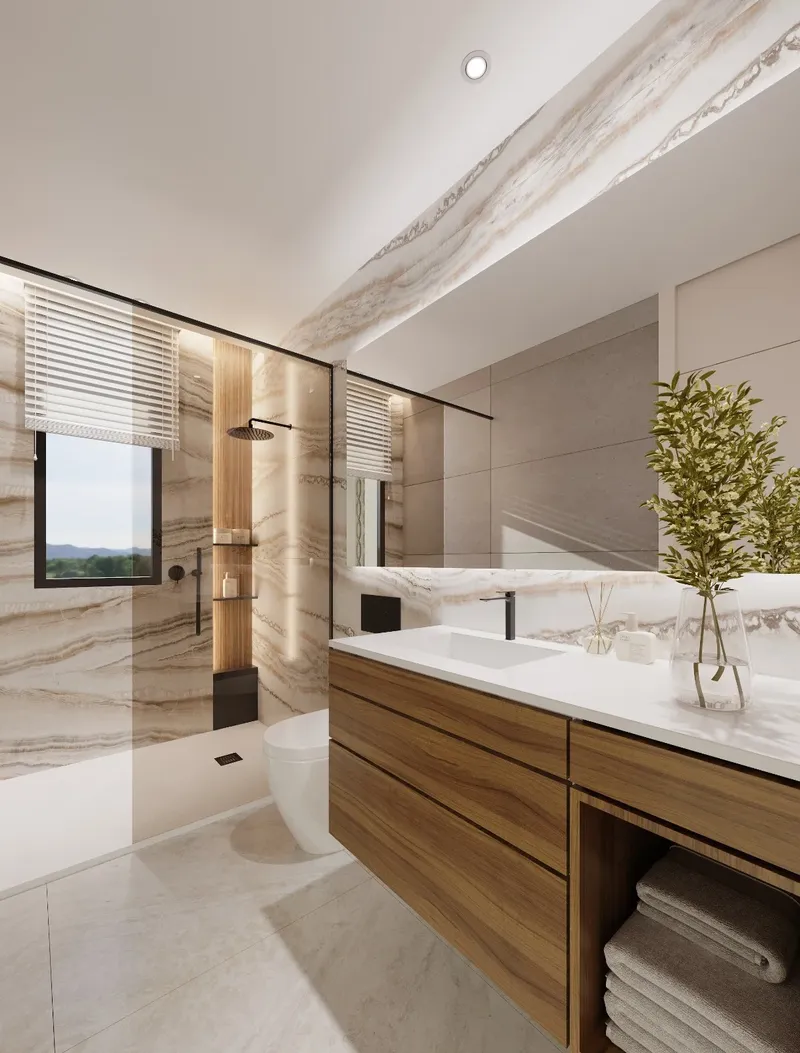
Villas in Gated Resort Santa Rosalia
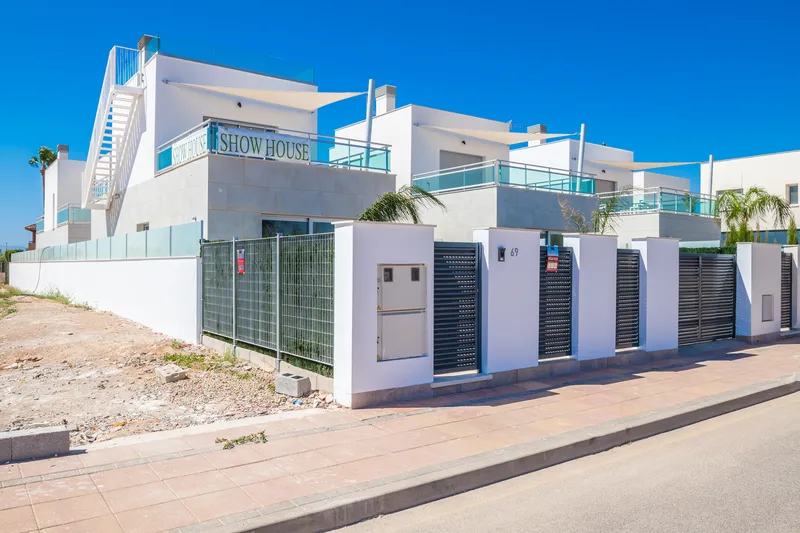
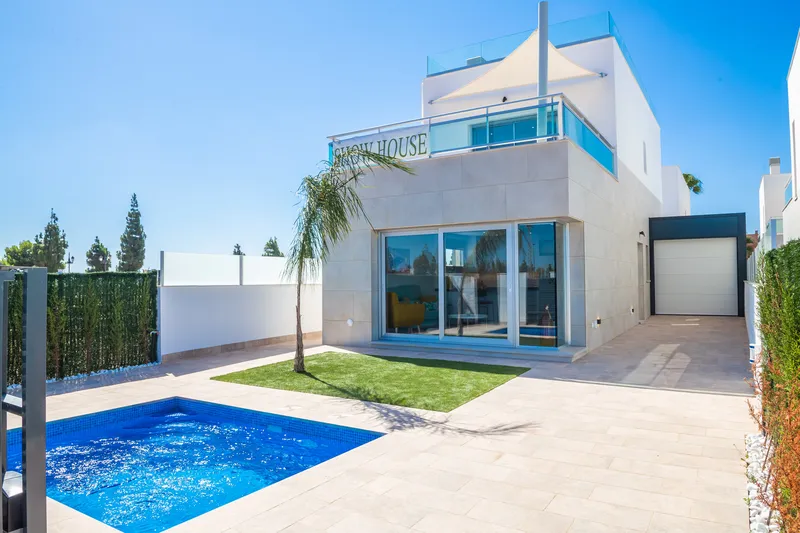
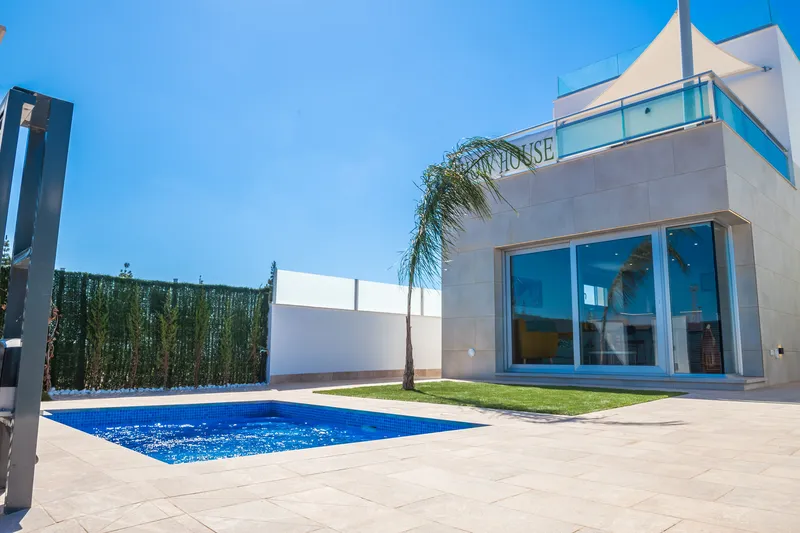
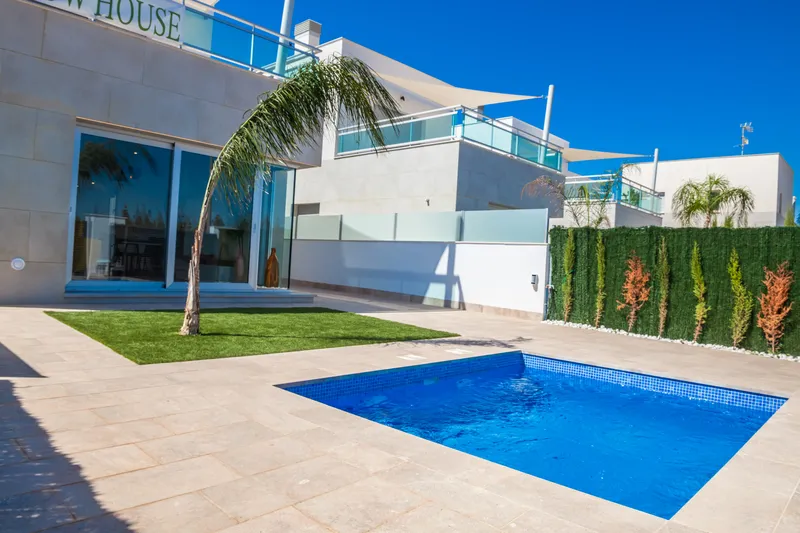
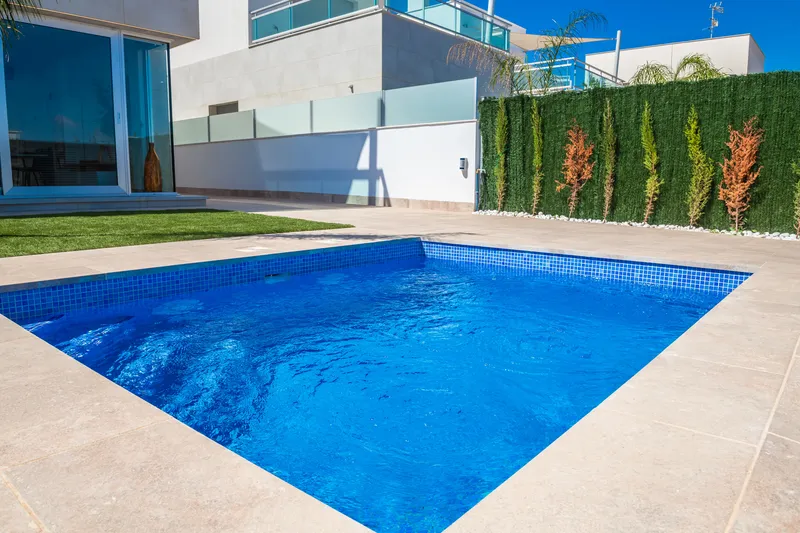
Villas 1 km from Los Alcázares beach
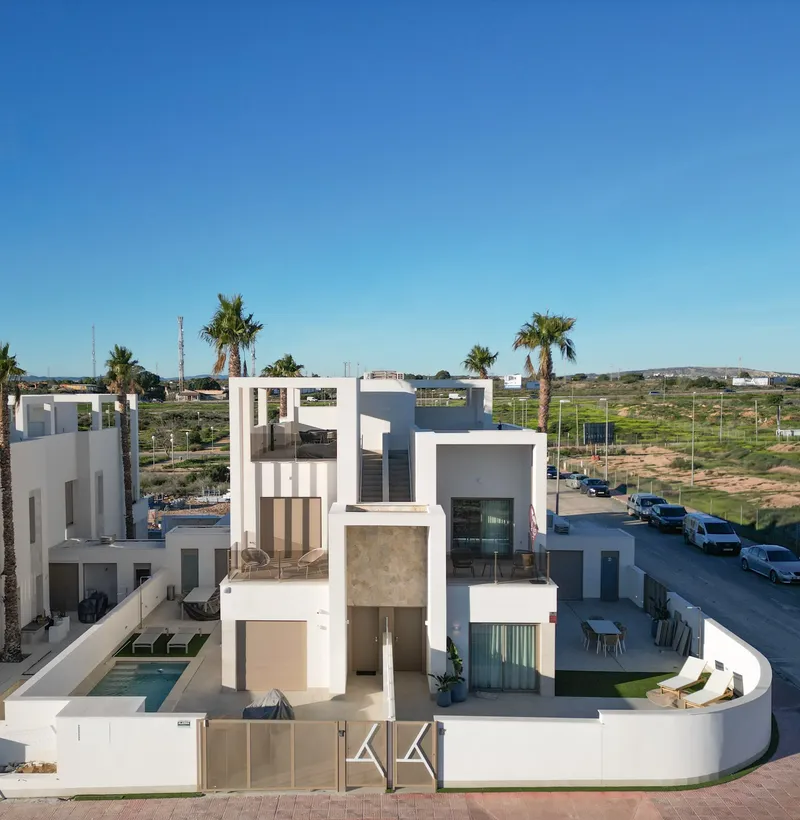
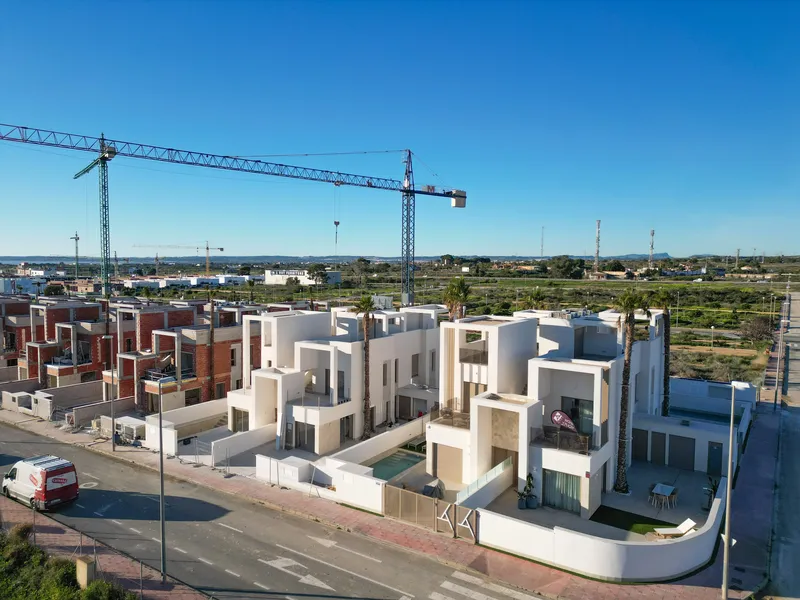
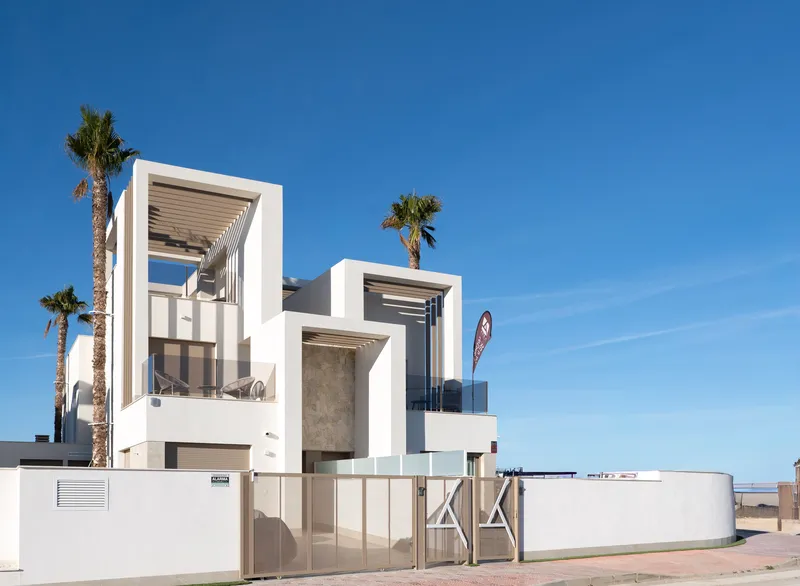
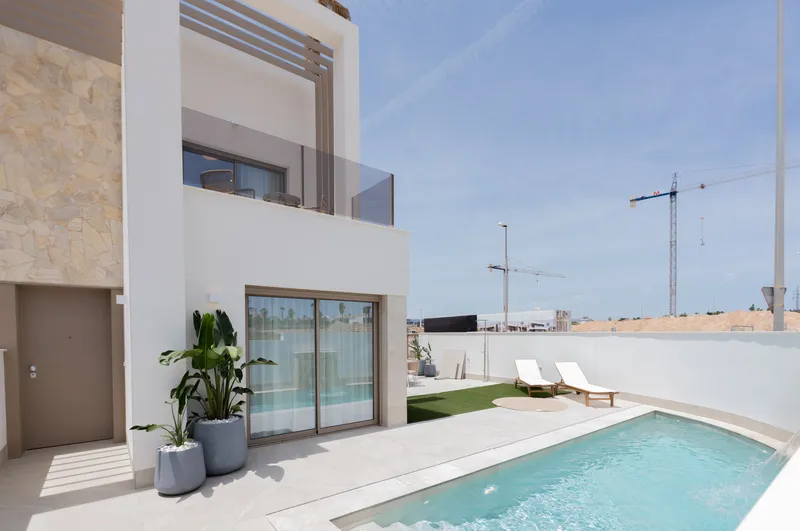
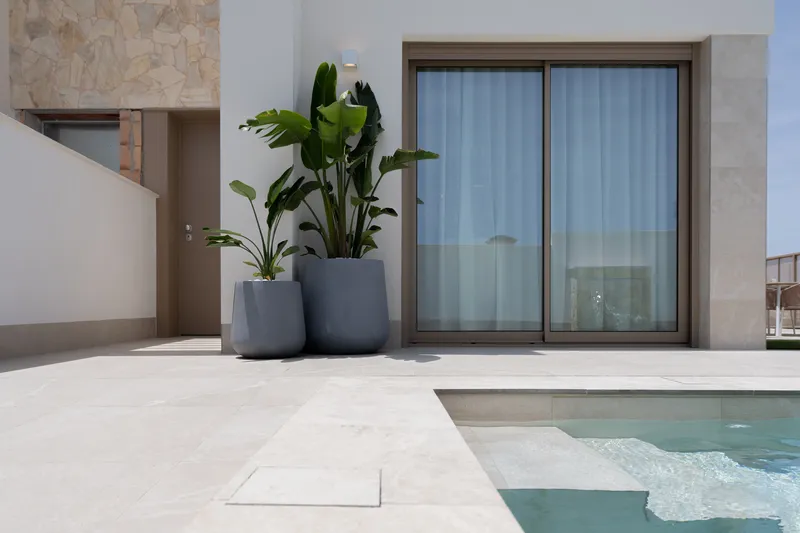
Semi-detached villas 300 m from the Mar Menor
What the lagoon actually is
The Mar Menor is one of the largest saltwater lagoons in Europe: around 135 square kilometres of shallow water, no more than about seven metres at its deepest, separated from the Mediterranean by La Manga, a sandbar more than 20 kilometres long.
Because it is shallow and enclosed, the water warms up early and stays warm late. Swimming season runs longer here than on the open coast, and there are no waves to speak of. It is the reason families with small children and people learning to sail keep coming back.
Los Alcázares runs along several kilometres of that western shore, with a seafront promenade linking the beaches.
The environmental question, answered honestly
If you have searched for the Mar Menor, you will have seen the headlines: mass fish die-offs in 2019 and 2021, protests, "green soup". That happened, and pretending otherwise would be dishonest.
Here is where things stand.
The cause is well documented: decades of nitrate run-off from intensive agriculture in the Campo de Cartagena, combined with legacy mining pollution. It built up over years, not overnight.
In October 2022 Spain granted the lagoon legal personhood, a first in Europe. That is not symbolism: it gives standing to bring legal action on the lagoon's behalf.
In 2025 the United Nations named the restoration programme a World Restoration Flagship. It is Spain's largest-ever investment in restoring a single region.
Monitoring in 2024 found measurable improvement: oxygen levels up on the previous year, and two new colonies of Pinna nobilis, a critically endangered fan mussel, one of them near Los Alcázares.
It is not fixed. The area around the mouth of the Albujón watercourse remains turbid. And a study published in 2026 by researchers from the Autonomous University of Barcelona, the Polytechnic University of Cartagena and the Spanish National Research Council found that more than 90% of the key nutrients now reach the water through the lagoon's own sediments, rather than through fresh run-off. The current restoration plan has no specific measures for that.
What this means if you are buying: the lagoon is under active, funded, legally backed restoration, and the trend has been upward. But anyone who tells you it is solved is selling you something. Ask to see the current bathing water status for the specific beach nearest the property; it is published by the regional health authority and varies by location.
The town itself
Los Alcázares is a working town, not a resort strip. It has a weekly market, health centre, schools, supermarkets and restaurants that stay open through the winter, which is not the case everywhere on this coast.
The seafront promenade is the spine of daily life: it is where most people walk, cycle and eat.
There is a long-standing British and Northern European community here, so English is widely spoken in shops and many services. That is a practical convenience, not a substitute for Spanish, but it lowers the friction of the first year considerably.
Golf
La Serena Golf is inside the municipality, and Roda Golf is just across the boundary in San Javier. Mar Menor Golf, in neighbouring Torre-Pacheco, is a few minutes further. Several developments are built directly onto the courses.
Two practical consequences. A property fronting a fairway keeps its view, because nothing can be built in front of it. And golf resorts stay busy through the winter months, when the rest of the coast quietens down, which matters if you intend to let the property.
Getting here
Región de Murcia International Airport (Corvera) is the nearest, at roughly 35 kilometres by road.
One correction worth making, because it is still published on property websites: San Javier airport stopped handling commercial flights on 15 January 2019, when Corvera replaced it. If a listing advertises "close to San Javier international airport", that information is seven years out of date.
Alicante-Elche airport is around 90 kilometres away and has considerably more direct UK routes. Cartagena is about 25 kilometres, Murcia around 40.
Prices
Most new build stock here is low-rise: two and three-bedroom apartments and ground-floor properties in gated developments with communal pools, plus detached and semi-detached villas with private plots inside the golf resorts.
Prices are driven by distance from the water, whether the property is inside a resort, whether it fronts a golf course, and build stage. Buying off-plan is typically 10–20% cheaper than a completed property, in exchange for waiting 18–24 months.
Buying from the UK
Brexit changed two things, and neither of them stops you buying.
Visits are limited. As a non-EU national you can spend 90 days in any rolling 180-day period in the Schengen area without a visa. Owning property does not change that. If you want to spend longer, you need a residence permit, obtained separately.
Buying itself is unrestricted. Any foreign national can buy property in Spain. For a new build you need an NIE (foreigner identification number), which we arrange. You do not need a Spanish bank account to buy: you can pay the developer from your UK account. An account is useful later, for utilities and annual taxes.
Property purchase no longer grants residency. The golden visa, which gave residence rights for a €500,000 property investment, was abolished in April 2025. Many websites still advertise it. It is gone.
Taxes on purchase. New build attracts 10% VAT plus stamp duty. Los Alcázares is in the Región de Murcia, where the rate applying to VAT-liable transactions fell from 2% to 1.5% on 25 July 2025. Add notary and registry fees of €1,500–2,500. Budget around 12% on top of the purchase price.
Taxes after purchase, the one that surprises people. Non-resident owners pay an annual Spanish tax on the property even if they never let it out, calculated on a notional rental value. Since Brexit, UK owners pay this at 24% rather than the 19% applied to EU residents, and can no longer deduct expenses against rental income. It is not a large sum on a modest property, but it is annual, it is compulsory, and people are routinely unaware of it until the first demand arrives. Ask your gestor to quantify it before you commit.
Mortgages. Spanish banks lend to non-residents, typically up to 70% of valuation against the 80% available to residents. Arrange it before you reserve, not after.
The bank guarantee. Developers are legally required to guarantee every payment you make before completion. Ask to see that guarantee before signing anything. It is what protects your money if construction stalls.
You do not need to be here. We run video viewings, prepare the paperwork, and completion can be handled under power of attorney granted in the UK.